

The Ultimate Guide to Stylish & Functional Pet Trends
Best Pet Fashion Accessories by Dogi planet, Discover the latest pet fashion accessories for dogs and cats, including stylish collars, trendy outfits, pet bandanas, luxury harnesses, seasonal wear, and functional accessories designed to keep your furry friend comfortable, safe, and fashionable.
Description
Explore the best pet fashion accessories for dogs and cats. Learn about trendy collars, pet clothing, bandanas, harnesses, shoes, seasonal fashion, luxury pet accessories, and tips for choosing stylish yet comfortable products for your beloved pets.
Pet Fashion Accessories: The Complete Guide for Stylish Pets
Pet fashion accessories have become a growing trend among pet owners worldwide. Today, pets are more than just animals—they are beloved family members. As a result, pet parents are increasingly investing in fashionable, functional, and comfortable accessories that enhance both the appearance and well-being of their furry companions.
From designer collars and personalized tags to stylish sweaters and seasonal outfits, pet fashion has evolved into a booming industry. Modern pet accessories combine style, safety, and practicality, making it easier than ever to keep pets looking adorable while ensuring their comfort.
In this complete guide, we will explore everything about pet fashion accessories, including popular trends, must-have items, styling tips, seasonal fashion ideas, and how to choose the right accessories for your dog or cat.
Why Pet Fashion Accessories Are Popular
The popularity of pet fashion accessories has increased significantly over the last decade. Social media platforms, celebrity pet culture, and growing pet humanization have contributed to this trend.
Many pet owners enjoy dressing their pets because it allows them to express personality, celebrate special occasions, and strengthen emotional bonds. Fashion accessories also provide practical benefits such as warmth, visibility, identification, and protection.
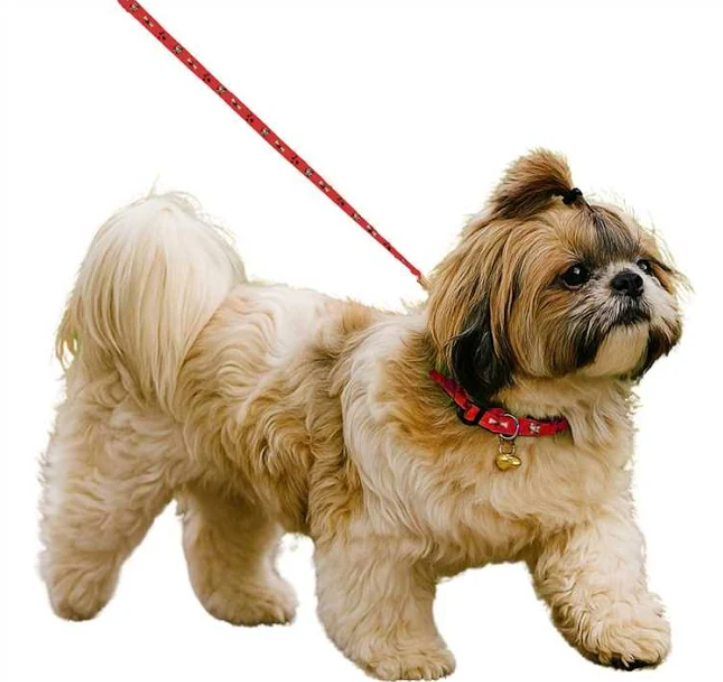
Key Reasons for the Growth of Pet Fashion
The growth of pet fashion has been driven by a mix of cultural, economic, and social trends. Here are the key reasons behind its rapid expansion:
1. Humanization of Pets
Many people now treat pets as family members or even “fur babies.” This emotional bond encourages owners to buy clothing, accessories, and luxury products for pets just as they would for children.
2. Rising Disposable Income
As incomes rise, especially in urban areas, pet owners are more willing to spend on non-essential but lifestyle-oriented products such as designer outfits, seasonal wear, and customized accessories.
3. Social Media Influence
Platforms like Instagram and TikTok have made fashionable pets highly visible. Viral pet influencers encourage trends in costumes, coordinated outfits, and branded apparel.
4. Growth of the Pet Care Industry
Major pet brands and startups have expanded beyond food and healthcare into fashion, grooming, and lifestyle products. Companies increasingly market pets as part of a premium lifestyle.
5. Seasonal and Functional Clothing
Pet fashion is not only decorative. Many products serve practical purposes:
- Winter jackets for cold weather
- Raincoats for outdoor walks
- Protective shoes for rough surfaces
- Cooling vests in hot climates
This functional value has widened the customer base.
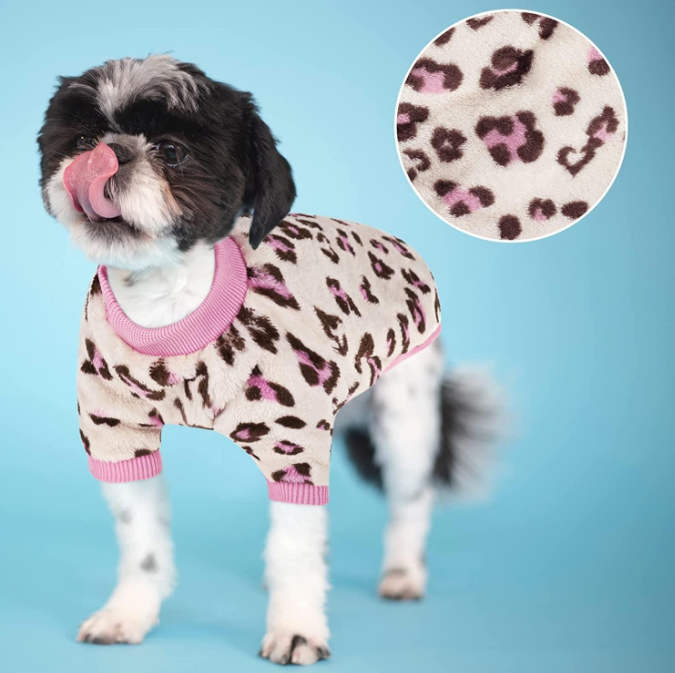
6. Increasing Pet Ownership
Urbanization, smaller families, and changing lifestyles have increased pet adoption worldwide. More pets naturally create greater demand for accessories and apparel.
7. Customization and Personal Expression
Owners enjoy expressing their personalities through their pets. Matching outfits, themed costumes, and personalized accessories have become popular forms of self-expression.
8. Celebrity and Pop Culture Influence
Celebrities and influencers frequently showcase stylish pets, making pet fashion aspirational and trendy. Luxury brands have also entered the pet market.
9. Expansion of E-commerce
Online marketplaces and specialized pet boutiques make pet fashion easy to access globally. Consumers can quickly compare styles, prices, and trends.
10. Special Events and Festivals
Pet birthdays, themed parties, festivals, and competitions encourage owners to purchase costumes and event-specific clothing.
Emerging Trends
Current trends shaping the industry include:
- Sustainable and eco-friendly pet clothing
- Smart wearable pet accessories
- Luxury designer collaborations
- Matching owner-pet fashion collections
- Inclusive sizing for different breeds
The global pet fashion market continues to grow because it combines emotional attachment, lifestyle branding, and social visibility with practical pet care needs.
1. Pets Are Considered Family Members
People increasingly treat pets like children, which encourages spending on premium accessories and stylish products.
2. Social Media Influence
Instagram, TikTok, and YouTube have made fashionable pets internet celebrities, inspiring owners to purchase trendy accessories.
3. Functional Benefits
Many accessories provide protection against weather conditions, improve safety, or help with training and walking.
4. Expanding Pet Industry
The pet industry now offers luxury fashion collections, designer collaborations, and personalized products for pets of all sizes.
Types of Pet Fashion Accessories
Pet fashion accessories come in countless styles and categories. Some focus on aesthetics, while others combine fashion with functionality.
Stylish Pet Collars
Pet collars remain one of the most popular accessories for dogs and cats. Modern collars are available in leather, nylon, velvet, and eco-friendly materials.
Popular Collar Styles
Leather Collars
Leather collars offer durability and a premium appearance. They are ideal for everyday use and often become softer over time.
Personalized Collars
Customized collars with engraved names and contact information combine style with safety.
Rhinestone and Designer Collars
Luxury collars decorated with crystals, metallic accents, and fashionable patterns are popular among pet owners seeking glamorous styles.
LED Safety Collars
These collars improve nighttime visibility while maintaining a stylish appearance.
How to Choose the Right Collar
- Ensure proper fit without excessive tightness
- Select lightweight materials for comfort
- Choose durable hardware and secure buckles
- Match collar style with your pet’s personality
Trendy Pet Harnesses
Harnesses are increasingly replacing traditional collars because they provide better control and reduce neck strain.
Benefits of Fashionable Harnesses
- Improved comfort during walks
- Better support for small breeds
- Stylish designs and matching leash sets
- Enhanced safety and control
Popular Harness Styles
Vest Harnesses
Comfortable and supportive for daily walks.
No-Pull Harnesses
Ideal for dogs that tend to pull during walks.
Luxury Harnesses
Made with designer fabrics, premium stitching, and decorative elements.
Reflective Harnesses
Improve visibility during nighttime walks.
Fashionable Pet Clothing
Pet clothing has become one of the largest segments of the pet fashion industry. Clothing protects pets from weather while making them look stylish and adorable.
Pet Sweaters and Hoodies
Sweaters and hoodies are especially popular during winter and colder months.
Benefits
- Keep pets warm
- Protect short-haired breeds from cold weather
- Provide comfort and security
Trending Designs
- Knitted sweaters
- Cartoon hoodies
- Personalized hoodies
- Plaid and printed patterns
Pet Jackets and Coats
Pet jackets combine functionality with style.
Types of Pet Outerwear
Waterproof Raincoats
Protect pets from rain and mud.
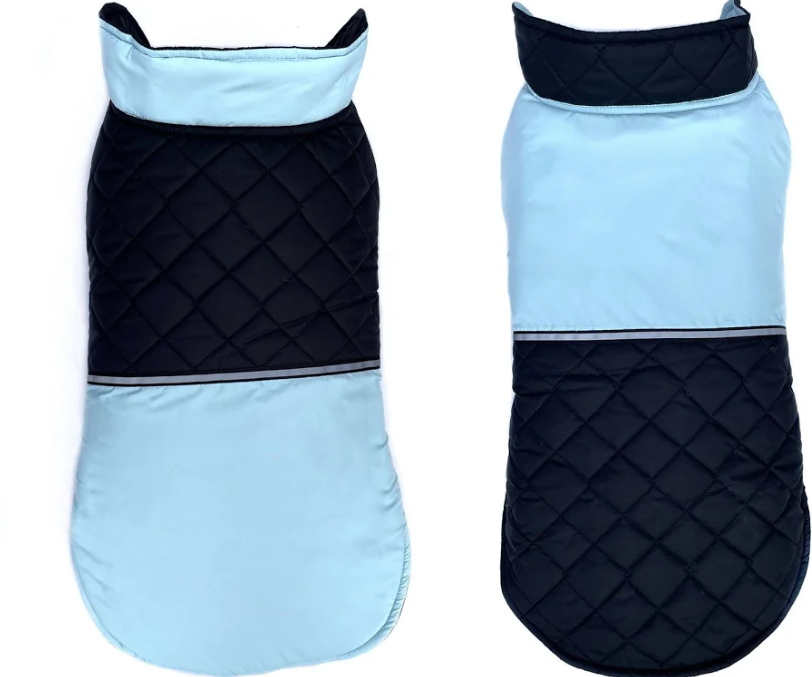
Winter Coats
Insulated coats provide warmth during cold weather.
Puffer Jackets
Fashionable and practical for winter walks.
Reflective Jackets
Improve safety during low-light conditions.
Pet Dresses and Formal Wear
Many pet owners enjoy dressing pets for parties, weddings, birthdays, and holidays.
Popular Formal Accessories
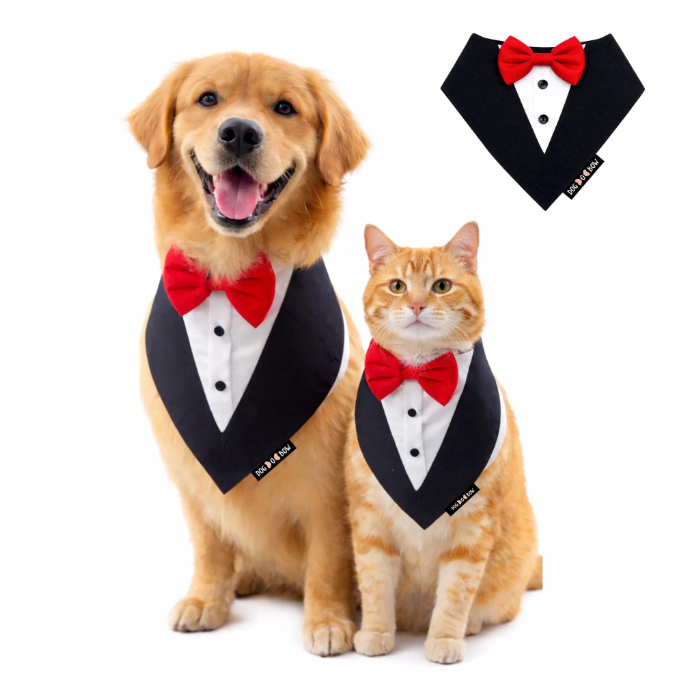
- Tuxedos for dogs
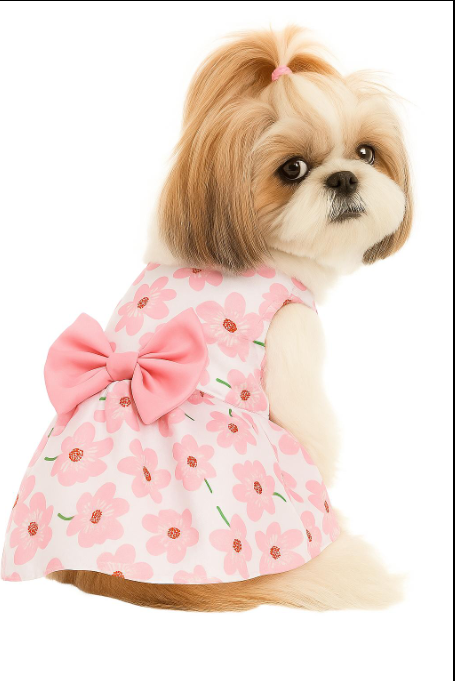
- Pet dresses with lace and bows
- Bow ties and neckties
- Flower collars for celebrations
Formal pet fashion is particularly popular for social media photography and special events.
Pet Bandanas and Scarves
Bandanas are among the easiest and most affordable ways to accessorize pets.
Why Pet Owners Love Bandanas
- Lightweight and comfortable
- Available in countless patterns
- Suitable for all seasons
- Easy to clean and replace
Seasonal Bandana Trends
Summer
Bright tropical colors and floral prints.
Autumn
Plaid, pumpkin-themed, and rustic patterns.
Winter
Holiday-themed and knitted scarf styles.
Spring
Pastel colors and floral designs.
Pet Hats and Caps
Pet hats are growing in popularity, especially for outdoor events and photoshoots.
Types of Pet Headwear
- Baseball caps
- Sun hats
- Birthday hats
- Winter beanies
- Holiday-themed hats
These accessories can protect pets from sunlight while adding charm to their appearance.
Pet Shoes and Boots
Pet shoes are both fashionable and functional.
Benefits of Pet Footwear
- Protect paws from hot pavement
- Prevent injuries from rough terrain
- Improve traction on slippery surfaces
- Keep paws dry during rainy weather
Popular Shoe Styles
Winter Boots
Protect against snow and ice.
Waterproof Boots
Ideal for rainy days.
Casual Sneakers
Fashion-forward styles for trendy pets.
Luxury Pet Fashion Accessories
Luxury pet fashion has become a significant part of the global pet market.
Features of Luxury Pet Accessories
- Premium materials
- Handcrafted designs
- Exclusive collections
- Designer branding
Luxury products include collars, harnesses, carriers, beds, and outfits inspired by human fashion trends.
Personalized Pet Accessories
Customization has become a major trend in pet fashion.
Popular Personalized Products
- Name-engraved collars
- Custom pet hoodies
- Personalized tags
- Monogrammed beds and blankets
These accessories add uniqueness while improving identification and safety.
Seasonal Pet Fashion Trends
Fashion trends for pets often change with the seasons.
Spring Pet Fashion
Spring accessories focus on lightweight and colorful designs.
Popular Spring Items
- Floral collars
- Lightweight sweaters
- Bright harnesses
- Raincoats
Summer Pet Fashion
Summer fashion prioritizes comfort and breathability.
Trending Summer Accessories
- Cooling bandanas
- UV-protection shirts
- Sunglasses for pets
- Breathable mesh harnesses
Autumn Pet Fashion
Autumn fashion features earthy tones and cozy textures.
Fall Fashion Favorites
- Plaid scarves
- Knit sweaters
- Brown leather collars
- Pumpkin-themed outfits
Winter Pet Fashion
Winter accessories emphasize warmth and protection.
Essential Winter Accessories
- Thermal jackets
- Wool sweaters
- Snow boots
- Holiday costumes
Pet Fashion for Different Dog Breeds
Different dog breeds have unique fashion needs based on size, fur type, and personality.
Small Breed Fashion
Small breeds often wear clothing for warmth and comfort.
Popular Small Breed Accessories
- Sweaters
- Designer harnesses
- Tiny boots
- Decorative bows
Large Breed Fashion
Large breeds require durable and practical accessories.
Recommended Accessories
- Heavy-duty collars
- Reflective harnesses
- Waterproof jackets
- Large bandanas
Fashion Accessories for Cats
Cats also enjoy stylish accessories when introduced properly.
Popular Cat Accessories
- Breakaway collars
- Bow ties
- Cat sweaters
- Decorative bells
Comfort and safety are especially important for cats because they are generally more sensitive to clothing and accessories.
Pet Jewelry and Decorative Accessories
Luxury pet jewelry has become increasingly fashionable.
Examples of Pet Jewelry
- Charm necklaces
- Decorative tags
- Crystal accessories
- Gold-plated name tags
These products are mostly used for events, photography, and luxury styling.
Eco-Friendly Pet Fashion Accessories
Sustainability is becoming a major trend in the pet fashion industry.Eco-Friendly Pet Fashion Accessories
Eco-friendly pet fashion accessories are becoming increasingly popular among modern pet owners who want to combine style with sustainability. As awareness of environmental issues continues to grow, many pet parents are looking for greener alternatives that reduce waste, support ethical production, and promote healthier lifestyles for their pets.
From sustainable pet collars and organic pet clothing to biodegradable toys and recycled harnesses, eco-friendly pet accessories offer a responsible way to care for pets while protecting the environment. These products are designed with environmentally conscious materials that minimize pollution, reduce carbon footprints, and provide safer options for pets.
In this guide, we explore everything you need to know about eco-friendly pet fashion accessories, including their benefits, materials, trends, and tips for choosing sustainable products for your furry companions.
What Are Eco-Friendly Pet Fashion Accessories?
Eco-friendly pet fashion accessories are products made using sustainable, recyclable, biodegradable, or ethically sourced materials. These accessories are designed to reduce environmental impact while maintaining comfort, durability, and style.
Unlike conventional pet products that may rely on synthetic fabrics, harmful chemicals, or excessive plastic packaging, sustainable pet accessories focus on environmentally responsible production methods.
Common Eco-Friendly Pet Accessories
- Organic pet collars
- Sustainable harnesses
- Recycled pet clothing
- Eco-friendly pet beds
- Hemp leashes
- Biodegradable pet toys
- Bamboo feeding accessories
- Vegan leather pet products
These accessories support both pet wellness and environmental conservation.
Why Eco-Friendly Pet Accessories Are Important
The pet industry produces a large amount of waste every year, including plastic toys, synthetic fabrics, packaging materials, and disposable products. Sustainable pet accessories help reduce this environmental burden.
Key Reasons to Choose Eco-Friendly Pet Accessories
1. Reduces Environmental Impact
Eco-friendly products use fewer harmful resources and generate less waste.
2. Safer for Pets
Natural materials often contain fewer toxic chemicals and irritants.
3. Supports Ethical Manufacturing
Many sustainable brands prioritize fair labor practices and cruelty-free production.
4. Encourages Responsible Consumption
Durable products reduce the need for constant replacements.
As sustainability becomes more important globally, eco-friendly pet fashion continues to gain popularity.
Popular Sustainable Materials Used in Pet Accessories
Eco-friendly pet fashion accessories rely on natural and recycled materials that minimize environmental harm.
Organic Cotton
Organic cotton is one of the most commonly used sustainable materials in pet clothing and accessories.
Benefits of Organic Cotton
- Free from harmful pesticides
- Soft and breathable
- Gentle on sensitive skin
- Biodegradable and renewable
Organic cotton is often used for:
- Pet bandanas
- Shirts and hoodies
- Soft harness linings
- Pet beds and blankets
Hemp Fabric
Hemp is a durable and environmentally friendly material widely used in sustainable pet products.
Advantages of Hemp Accessories
- Extremely durable
- Naturally resistant to mold and bacteria
- Biodegradable
- Requires less water during cultivation
Hemp is commonly used for:
- Dog collars
- Leashes
- Harnesses
- Rope toys
Hemp accessories are especially popular among environmentally conscious pet owners.
Recycled Polyester
Recycled polyester is created from repurposed plastic bottles and waste materials.
Benefits of Recycled Materials
- Reduces plastic waste
- Conserves resources
- Durable and lightweight
- Supports recycling initiatives
Many pet jackets, harnesses, and travel bags now use recycled polyester fabrics.
Bamboo Fiber
Bamboo is another sustainable material used in eco-friendly pet fashion.
Why Bamboo Is Eco-Friendly
- Fast-growing renewable resource
- Naturally antibacterial
- Soft and breathable
- Biodegradable
Bamboo materials are commonly used for:
- Pet blankets
- Towels
- Clothing
- Feeding accessories
Vegan Leather
Traditional leather production can have a significant environmental impact. Vegan leather offers a cruelty-free and sustainable alternative.
Benefits of Vegan Leather Pet Accessories
- Animal-free production
- Stylish appearance
- Easier maintenance
- Lower environmental impact
Vegan leather is frequently used for:
- Pet collars
- Harnesses
- Fashion bags
- Decorative accessories
Eco-Friendly Pet Collars and Harnesses
Collars and harnesses are essential accessories for dogs and cats. Sustainable options provide both fashion and functionality.
Features of Sustainable Collars
- Natural fabrics
- Recycled buckles
- Non-toxic dyes
- Durable stitching
Benefits Include:
- Comfortable fit
- Reduced skin irritation
- Long-lasting durability
- Lower environmental impact
Many brands now offer customizable eco-friendly collars with stylish designs and ethical materials.
Sustainable Pet Clothing
Pet clothing has evolved beyond fashion into a practical category that includes eco-conscious options.
Eco-Friendly Pet Apparel
Sustainable pet clothing focuses on:
- Organic fabrics
- Recycled materials
- Ethical manufacturing
- Minimal packaging
Popular Sustainable Clothing Items
- Organic cotton sweaters
- Recycled raincoats
- Bamboo hoodies
- Hemp bandanas
Eco-friendly pet apparel combines comfort, warmth, and responsible production.
Biodegradable Pet Toys
Pet toys are one of the largest contributors to pet-related waste. Eco-friendly alternatives help reduce landfill pollution.
Sustainable Toy Materials
- Natural rubber
- Hemp rope
- Organic cotton
- Recycled materials
Benefits of Eco-Friendly Toys
- Non-toxic for pets
- Safer chewing materials
- Reduced plastic waste
- Biodegradable disposal
Many eco-friendly toys are designed to be durable while remaining environmentally responsible.
Sustainable Pet Beds and Blankets
Pet bedding products can also be environmentally friendly.
Eco-Friendly Bedding Features
- Recycled stuffing
- Organic cotton covers
- Washable designs
- Sustainable foam alternatives
Benefits:
- Comfortable sleeping environment
- Reduced synthetic waste
- Long-lasting materials
- Better indoor air quality
Sustainable pet beds are ideal for environmentally conscious households.
Eco-Friendly Travel Accessories
Travel products for pets increasingly include sustainable designs and materials.
Sustainable Travel Products
- Recycled carriers
- Hemp travel mats
- Bamboo bowls
- Eco-friendly waste bag holders
Travel Benefits:
- Lightweight and durable
- Reduced environmental impact
- Reusable construction
- Stylish functionality
Eco-friendly travel accessories are especially useful for active pet owners.
Advantages of Eco-Friendly Pet Fashion Accessories
Sustainable pet products offer numerous advantages beyond environmental protection.
Healthier for Pets
Natural materials often reduce exposure to harmful chemicals and synthetic irritants.
Health Benefits Include:
- Reduced skin allergies
- Better breathability
- Increased comfort
- Safer chewing materials
Pets with sensitive skin especially benefit from organic and natural fabrics.
Longer Product Lifespan
High-quality sustainable products are often designed for durability.
Why Durability Matters
- Fewer replacements
- Reduced waste generation
- Better long-term value
- More reliable daily use
Investing in durable accessories supports both sustainability and cost savings.
Reduced Plastic Waste
Many traditional pet accessories rely heavily on plastic materials.
Eco-Friendly Alternatives Reduce:
- Single-use plastics
- Packaging waste
- Non-biodegradable materials
- Ocean pollution risks
Choosing sustainable products helps create a cleaner environment for future generations.
Ethical and Cruelty-Free Production
Many eco-friendly brands prioritize ethical sourcing and humane production methods.
Ethical Features
- Fair labor practices
- Cruelty-free manufacturing
- Sustainable sourcing
- Environmentally conscious packaging
Consumers increasingly value transparency and responsible business practices.
Popular Trends in Eco-Friendly Pet Fashion
The sustainable pet fashion market continues to evolve rapidly.
Current Trends Include:
Minimalist Designs
Simple and timeless styles made with eco-conscious materials.
Smart Sustainable Products
GPS collars and wearable tech made with recycled materials.
Handmade Accessories
Artisan-crafted collars, leashes, and pet clothing.
Matching Eco-Friendly Outfits
Coordinated owner-and-pet sustainable fashion collections.
Eco-conscious fashion is becoming a major trend in the global pet industry.
How to Choose Eco-Friendly Pet Accessories
Selecting sustainable accessories requires attention to materials, quality, and manufacturing practices.
Important Buying Tips
Check Material Labels
Look for organic, recycled, or biodegradable materials.
Research Brand Ethics
Support companies committed to sustainability and ethical production.
Choose Durable Products
Long-lasting items reduce waste and save money.
Avoid Toxic Chemicals
Select products free from harsh dyes and synthetic irritants.
Consider Packaging
Minimal and recyclable packaging supports environmental goals.
Making informed purchasing decisions helps promote sustainability.
Common Mistakes to Avoid
Prioritizing Style Over Function
Accessories should remain comfortable and safe for pets.
Buying Low-Quality “Greenwashed” Products
Some brands falsely market products as eco-friendly without meaningful sustainability practices.
Ignoring Durability
Cheap products may create more waste through frequent replacement.
Choosing Improper Sizes
Proper fit is essential for safety and comfort.
Careful selection ensures the best experience for pets and the environment.
The Future of Sustainable Pet Fashion
The future of eco-friendly pet accessories looks promising as more consumers demand environmentally responsible products.
Future Innovations May Include:
- Fully biodegradable pet apparel
- Solar-powered smart collars
- Zero-waste manufacturing
- Plant-based waterproof materials
- Advanced recycled textiles
Sustainability is expected to become a permanent focus within the pet industry.
Why Pet Owners Are Switching to Sustainable Accessories
Modern consumers increasingly recognize the importance of reducing environmental impact in every aspect of life, including pet care.
Main Reasons for the Shift
- Increased environmental awareness
- Safer products for pets
- Ethical purchasing values
- Higher-quality craftsmanship
- Desire for long-lasting products
Eco-friendly pet fashion allows owners to care for both their pets and the planet simultaneously.
Conclusion
Eco-friendly pet fashion accessories represent the perfect balance between sustainability, comfort, functionality, and style. From organic cotton clothing and hemp collars to biodegradable toys and recycled harnesses, sustainable pet products help reduce environmental impact while improving the safety and well-being of pets.
As the demand for responsible pet care continues to grow, eco-friendly accessories are becoming an essential part of modern pet ownership. These products not only support healthier lifestyles for pets but also contribute to a cleaner, greener future for the planet.
By choosing sustainable pet fashion accessories, pet owners can make thoughtful purchasing decisions that reflect care, responsibility, and love for both their furry companions and the environment.
Eco-Friendly Materials
- Organic cotton
- Hemp fabric
- Recycled polyester
- Vegan leather
Environmentally conscious pet owners increasingly prefer sustainable products that reduce environmental impact.
How to Choose Comfortable Pet Accessories
While style is important, comfort and safety should always come first.
Key Factors to Consider
Proper Fit
Accessories should not restrict movement or breathing.
Material Quality
Choose soft, breathable, and non-toxic materials.
Ease of Cleaning
Machine-washable accessories simplify maintenance.
Pet Personality
Some pets prefer lightweight accessories while others tolerate clothing better.
Safety Tips for Pet Fashion
Fashion accessories should never compromise your pet’s safety.
Important Safety Guidelines
- Avoid small detachable decorations
- Remove accessories during unsupervised play
- Check for skin irritation
- Ensure proper sizing
- Avoid overheating in warm weather
Pet Fashion for Special Occasions
Special events inspire many pet owners to invest in themed accessories.
Popular Occasion-Based Fashion
Birthday Parties
Birthday hats, bow ties, and celebration outfits.
Weddings
Elegant tuxedos and floral collars.
Halloween
Creative costumes and themed accessories.
Christmas and Holidays
Festive sweaters, scarves, and hats.
Social Media and Pet Fashion
Social media has transformed pet fashion into a global trend.
Why Fashionable Pets Go Viral
- Cute appearances attract engagement
- Matching owner-and-pet outfits create attention
- Seasonal themes increase visibility
- Unique accessories stand out online
Many pet influencers collaborate with fashion brands and showcase the latest trends.
Matching Pet and Owner Fashion
Coordinated outfits for pets and owners are increasingly popular.
Examples
- Matching pajamas
- Coordinated hoodies
- Similar color schemes
- Holiday-themed outfits
This trend is especially common during family photoshoots and festive seasons.
Affordable vs. Premium Pet Accessories
Pet owners can choose between budget-friendly and luxury products depending on preferences and needs.
Affordable Accessories
- Basic collars
- Simple bandanas
- Standard harnesses
- Everyday clothing
Premium Accessories
- Designer apparel
- Handmade collars
- Luxury carriers
- Personalized collections
Both categories can provide excellent quality if selected carefully.
Online Shopping for Pet Fashion Accessories
E-commerce has made pet fashion more accessible than ever.
Benefits of Buying Online
- Wider product selection
- Easy comparison shopping
- Access to global trends
- Customer reviews and ratings
When shopping online, always check sizing charts and material descriptions.
Pet Fashion Industry Trends
The pet fashion industry continues to evolve rapidly.
Emerging Trends
Smart Accessories
GPS collars and health-monitoring wearables.
Sustainable Fashion
Eco-friendly and ethically sourced products.
Minimalist Designs
Simple, elegant styles focused on comfort.
Tech-Integrated Fashion
LED collars and temperature-regulating fabrics.
Importance of Proper Grooming Alongside Fashion
Fashion accessories look best when pets are well-groomed.
Grooming Essentials
- Regular brushing
- Nail trimming
- Bathing
- Ear cleaning
A clean and healthy pet naturally complements stylish accessories.
Common Mistakes Pet Owners Should Avoid
Overdressing Pets
Too many accessories may cause discomfort or overheating.
Ignoring Fit
Improperly fitted products can lead to irritation or injury.
Prioritizing Fashion Over Comfort
Always choose comfort and safety first.
Using Unsafe Materials
Cheap products may contain harmful chemicals or weak hardware.
Benefits of Pet Fashion Accessories Beyond Style
Pet accessories provide more than aesthetic appeal.Benefits of Pet Fashion Accessories Beyond Style
Pet fashion accessories are no longer just about making pets look adorable. Modern pet accessories combine fashion with functionality, offering numerous benefits that improve the comfort, safety, and well-being of dogs and cats. From stylish collars and harnesses to protective clothing and smart accessories, today’s pet fashion industry focuses on products that serve practical purposes while keeping pets fashionable.
As pet owners increasingly treat their animals like family members, the demand for high-quality and functional pet accessories continues to grow. While fashionable pet outfits and trendy accessories are visually appealing, they also provide important health, safety, and behavioral benefits.
In this article, we explore the many benefits of pet fashion accessories beyond style and why investing in the right accessories can positively impact your pet’s daily life.
Improved Pet Safety
One of the biggest advantages of pet fashion accessories is enhanced safety. Many modern accessories are specifically designed to protect pets during walks, travel, outdoor adventures, and changing weather conditions.
Reflective Collars and Harnesses
Reflective collars and harnesses improve visibility during nighttime walks or low-light conditions. These accessories help drivers, cyclists, and pedestrians spot pets more easily, reducing the risk of accidents.
Benefits Include:
- Better nighttime visibility
- Increased road safety
- Safer evening walks
- Reduced accident risks
Identification and Security
Personalized pet accessories play an essential role in helping lost pets return home safely.
Personalized Collars and Tags
Custom collars with engraved names, addresses, and phone numbers make identification easier if a pet becomes lost.
Advantages of Personalized Accessories:
- Faster pet recovery
- Clear owner information
- Reduced dependence on temporary tags
- Improved travel safety
Microchip tags and GPS-enabled collars further enhance security by allowing owners to track their pets in real time.
Comfort and Emotional Support
Pet fashion accessories can also improve emotional comfort and reduce anxiety in certain pets.
Anxiety-Reducing Clothing
Some pet clothing items, such as calming vests and compression shirts, apply gentle pressure that helps anxious pets feel secure during stressful situations like thunderstorms, fireworks, or travel.
Emotional Benefits:
- Reduced stress and anxiety
- Increased comfort during travel
- Better relaxation
- Improved confidence in nervous pets
Weather Protection
Pet clothing and protective accessories shield pets from extreme weather conditions throughout the year.
Winter Protection
Short-haired dogs, small breeds, senior pets, and pets with medical conditions often struggle to maintain body heat during cold weather.
Winter Accessories Include:
- Sweaters
- Thermal jackets
- Hoodies
- Snow boots
Benefits:
- Prevents excessive cold exposure
- Helps maintain body temperature
- Protects sensitive paws from ice and snow
- Improves outdoor comfort during winter walks
Summer Protection
Hot weather can also create health risks for pets.
Summer Accessories Include:
- Cooling bandanas
- UV-protection shirts
- Breathable mesh harnesses
- Protective pet sunglasses
Summer Benefits:
- Prevents overheating
- Reduces sun exposure
- Protects paws from hot surfaces
- Keeps pets comfortable outdoors
Paw Protection
Pet shoes and boots are increasingly popular because they protect paws from harsh surfaces and injuries.
Benefits of Pet Footwear
Pets often walk on hot pavement, rough terrain, sharp objects, or icy surfaces that can damage sensitive paw pads.
Protective Advantages:
- Prevents cuts and burns
- Improves traction on slippery floors
- Keeps paws clean and dry
- Supports injured or sensitive paws
Better Walking Experience
Modern harnesses and leashes improve walking comfort for both pets and owners.
No-Pull Harnesses
No-pull harnesses distribute pressure evenly across the chest instead of the neck, making walks safer and more comfortable.
Benefits:
- Reduces neck strain
- Improves leash control
- Prevents choking
- Helps with training
Harnesses are especially beneficial for small breeds, brachycephalic dogs, and pets with respiratory issues.
Enhanced Hygiene and Cleanliness
Certain pet accessories help keep pets cleaner, especially during outdoor activities.
Protective Clothing Benefits
Raincoats, shoes, and full-body suits can minimize dirt, mud, and allergens from accumulating on fur.
Hygiene Benefits:
- Cleaner indoor environment
- Reduced grooming time
- Protection against rain and mud
- Lower exposure to environmental allergens
Health Monitoring and Smart Technology
Technology has transformed pet accessories into advanced health-monitoring tools.
Smart Pet Accessories
Modern pet fashion includes wearable technology such as:
- GPS collars
- Fitness trackers
- Temperature-monitoring harnesses
- Activity trackers
Benefits of Smart Accessories:
- Tracks daily activity levels
- Monitors health patterns
- Detects unusual behavior
- Improves pet safety during outdoor activities
These innovations help owners better understand their pets’ health and wellness.
Protection for Senior Pets
Older pets often benefit from specialized accessories designed to improve mobility and comfort.
Senior-Friendly Accessories
Examples:
- Orthopedic harnesses
- Support slings
- Non-slip boots
- Thermal clothing
Benefits for Senior Pets:
- Easier mobility
- Joint support
- Reduced discomfort
- Improved balance and stability
Senior pets especially benefit from supportive products that reduce physical strain.
Improved Social Interaction
Fashion accessories can help pets become more approachable and encourage positive social interactions.
Stylish Yet Functional Accessories
Well-designed accessories often attract positive attention during walks, at parks, or at pet-friendly events.
Social Benefits:
- Encourages conversations between pet owners
- Helps pets receive positive social exposure
- Builds confidence in shy pets
- Strengthens bonding experiences
Socialization is an important part of a pet’s emotional development and overall well-being.
Behavioral Benefits
Certain accessories can positively influence pet behavior.
Training Accessories
Training harnesses, calming collars, and structured walking gear help reinforce good habits.
Behavioral Advantages:
- Better leash manners
- Reduced pulling
- Increased focus during walks
- Improved obedience training
Accessories that support training routines can make everyday activities easier and more enjoyable.
Travel Safety and Convenience
Travel-friendly accessories make transportation safer and more comfortable.
Essential Travel Accessories
- Seat belt harnesses
- Travel carriers
- Portable water bottle holders
- Protective travel clothing
Travel Benefits:
- Safer car rides
- Reduced travel anxiety
- Better organization during trips
- Increased comfort for pets
Travel accessories are particularly useful for road trips, flights, and outdoor adventures.
Allergy and Skin Protection
Certain accessories help protect pets with allergies or sensitive skin.
Protective Clothing for Sensitive Pets
Lightweight shirts and bodysuits reduce scratching and environmental irritation.
Benefits Include:
- Prevents excessive licking
- Protects healing wounds
- Reduces allergen exposure
- Supports post-surgery recovery
Medical and recovery wear has become increasingly common in pet fashion.
Strengthening the Human-Pet Bond
Pet fashion accessories often strengthen emotional connections between pets and owners.
Shared Experiences
Shopping for accessories, dressing pets, and taking photos together create enjoyable bonding moments.
Emotional Benefits:
- Increased interaction
- Stronger companionship
- Better communication through routine
- More quality time together
For many owners, pet fashion becomes a meaningful form of self-expression and affection.
Boosting Pet Confidence
Some pets become more confident when wearing properly fitted accessories.
Confidence Through Comfort
Secure harnesses and calming garments may help nervous pets feel safer in unfamiliar environments.
Confidence Benefits:
- Better adaptability
- Reduced fear during outings
- Improved comfort around strangers
- Greater willingness to explore
However, accessories should always be introduced gradually and positively.
Fashion with Functionality
Modern pet fashion combines aesthetics with practical design.
Functional Fashion Trends
Today’s pet accessories often include:
- Waterproof materials
- Reflective strips
- Breathable fabrics
- Temperature-regulating technology
This balance between style and functionality makes pet fashion more useful than ever.
Eco-Friendly and Sustainable Benefits
Sustainable pet accessories help reduce environmental impact while promoting responsible consumption.
Eco-Friendly Fashion Features
- Organic fabrics
- Recycled materials
- Biodegradable packaging
- Vegan leather alternatives
Environmental Benefits:
- Reduced waste
- Safer materials for pets
- Lower environmental footprint
- Support for ethical manufacturing
Sustainability continues to shape the future of pet fashion.
Why Choosing Quality Accessories Matters
High-quality accessories provide better durability, comfort, and safety compared to poorly made products.Why Choosing Quality Accessories Matters for Pets
Pet accessories are more than fashionable additions for dogs and cats. High-quality pet accessories play an important role in ensuring comfort, safety, durability, and overall well-being. From collars and harnesses to pet clothing, travel gear, and feeding accessories, choosing premium-quality products can significantly improve your pet’s lifestyle and daily experience.
As the pet care industry continues to grow, pet owners now have access to countless accessory options. However, not all products are created equally. Poor-quality accessories may cause discomfort, skin irritation, safety hazards, or rapid wear and tear. Investing in quality pet accessories helps protect your furry companion while providing long-lasting value and reliability.
In this article, we explore why choosing quality accessories matters and how the right products contribute to a happier, healthier, and safer life for pets.
Ensuring Pet Safety
Safety is one of the most important reasons to invest in quality pet accessories. Cheap or poorly manufactured products can easily break, loosen, or cause injuries.
Reliable Collars and Harnesses
High-quality collars and harnesses are designed with strong stitching, durable buckles, and secure fasteners to prevent accidental escapes during walks or outdoor activities.
Safety Benefits Include:
- Reduced risk of breakage
- Better control during walks
- Secure leash attachment
- Lower chance of injuries or accidents
A strong harness or collar is especially important for active dogs, large breeds, and pets that tend to pull on the leash.
Improved Comfort for Pets
Comfort should always come before appearance when selecting pet accessories. Premium products are usually made with soft, breathable, and pet-friendly materials that reduce irritation and discomfort.
Comfortable Materials Matter
Low-quality materials can rub against the skin, trap heat, or create pressure points that cause discomfort.
Features of Comfortable Accessories:
- Soft fabric lining
- Lightweight construction
- Breathable materials
- Adjustable fit
Comfortable accessories help pets move freely without restriction, making walks, travel, and daily activities more enjoyable.
Better Durability and Longevity
Quality pet accessories are designed to last longer, even with regular use.
Why Durability Matters
Pets can be energetic and playful, which puts stress on collars, leashes, clothing, and toys. Cheap accessories often wear out quickly, leading to repeated replacements.
Benefits of Durable Products:
- Long-term cost savings
- Resistance to tearing and chewing
- Better performance in outdoor conditions
- Reduced need for frequent replacements
Investing in durable products often saves money over time while providing greater reliability.
Preventing Skin Irritation and Allergies
Poor-quality pet accessories may contain harsh chemicals, rough materials, or synthetic fabrics that irritate sensitive skin.
Skin-Friendly Accessories
Premium accessories are often made with hypoallergenic and non-toxic materials designed specifically for pets.
Benefits Include:
- Reduced skin irritation
- Lower risk of allergic reactions
- Improved comfort for sensitive pets
- Better coat protection
Pets with allergies or skin sensitivities particularly benefit from high-quality fabrics and carefully designed products.
Proper Fit and Adjustability
Well-designed accessories offer adjustable sizing to ensure the perfect fit.
Importance of Proper Fit
Accessories that are too tight can restrict breathing or movement, while loose products may slip off or create safety hazards.
Benefits of Adjustable Accessories:
- Better comfort
- Improved safety
- Easier movement
- Greater flexibility for growing pets
Properly fitted accessories help pets stay comfortable throughout the day.
Enhanced Walking Experience
Walking accessories such as harnesses, leashes, and collars directly affect the quality of walks for both pets and owners.
Benefits of Quality Walking Gear
Premium harnesses distribute pressure evenly across the chest rather than placing strain on the neck.
Advantages:
- Better leash control
- Reduced pulling
- Improved training support
- Safer walking experience
Quality walking gear is especially beneficial for puppies, senior dogs, and breeds prone to respiratory issues.
Better Weather Protection
Pet clothing and seasonal accessories should provide real protection against environmental conditions.
Winter Accessories
High-quality winter clothing helps maintain body heat and protects pets during cold weather.
Examples:
- Thermal jackets
- Waterproof coats
- Insulated sweaters
- Snow boots
Summer Accessories
Premium summer accessories use breathable and cooling materials to prevent overheating.
Benefits:
- UV protection
- Improved airflow
- Reduced heat stress
- Better outdoor comfort
Weather-appropriate accessories help pets stay safe and comfortable year-round.
Improved Hygiene and Cleanliness
Quality accessories are easier to clean and maintain.
Easy-to-Clean Products
Machine-washable pet clothing and waterproof accessories simplify daily care routines.
Hygiene Benefits:
- Reduced odor buildup
- Cleaner living environment
- Easier grooming maintenance
- Better protection from dirt and mud
Clean accessories contribute to healthier pets and cleaner homes.
Better Travel Safety
Travel accessories should prioritize both comfort and security.
Quality Travel Products
Premium carriers, seat belt harnesses, and travel beds are designed with reinforced safety features.
Travel Benefits:
- Safer transportation
- Reduced anxiety during travel
- Better ventilation
- Increased pet comfort
Travel safety is especially important during long trips and outdoor adventures.
Improved Identification and Security
Quality identification accessories help pets return home safely if they become lost.
Durable ID Tags and GPS Collars
Cheap tags may fade or break over time, while premium tags maintain clear information and durability.
Security Benefits:
- Clear identification details
- Better tracking capabilities
- Long-lasting engraving
- Increased recovery chances for lost pets
Smart collars with GPS tracking further enhance pet safety and monitoring.
Supporting Senior Pets and Special Needs
Older pets and pets with medical conditions require supportive accessories tailored to their needs.
Specialized Quality Accessories
Examples:
- Orthopedic harnesses
- Mobility support slings
- Non-slip footwear
- Recovery clothing
Benefits:
- Improved mobility
- Reduced physical strain
- Better recovery support
- Increased comfort for aging pets
High-quality supportive products can greatly improve the daily lives of senior pets.
Fashion with Functionality
Modern pet accessories successfully combine stylish designs with practical functionality.
Functional Features in Premium Accessories
- Reflective strips for visibility
- Waterproof fabrics
- Breathable mesh materials
- Temperature-regulating technology
Quality products provide both aesthetic appeal and practical value.
Reducing Long-Term Costs
Although premium accessories may have a higher upfront cost, they often save money in the long run.
Why Quality Saves Money
Cheap products may need frequent replacement due to breakage or wear.
Long-Term Financial Benefits:
- Fewer replacements
- Lower veterinary risks from unsafe products
- Better product lifespan
- Greater overall value
Investing once in a durable product is often more economical than repeatedly buying low-quality alternatives.
Boosting Pet Confidence and Emotional Comfort
Some pets feel more secure and confident when wearing comfortable accessories.
Emotional Benefits of Quality Accessories
Secure harnesses and calming garments help reduce stress during walks, travel, or unfamiliar situations.
Benefits Include:
- Reduced anxiety
- Better confidence outdoors
- Improved social interactions
- Increased comfort in new environments
Accessories should always be introduced gradually to ensure positive experiences.
Eco-Friendly and Sustainable Advantages
Many premium brands focus on environmentally friendly manufacturing and sustainable materials.
Sustainable Pet Accessories
Eco-Friendly Features:
- Organic fabrics
- Recycled materials
- Vegan leather alternatives
- Biodegradable packaging
Environmental Benefits:
- Reduced environmental impact
- Safer materials for pets
- Support for ethical production practices
Sustainable products are becoming increasingly important in modern pet care.
Why Cheap Accessories Can Be Risky
Low-cost pet accessories may seem attractive initially, but they often come with hidden risks.
Common Problems with Poor-Quality Products
Weak Hardware
Buckles and clips may break unexpectedly.
Rough Materials
Can cause irritation or hair loss.
Toxic Components
Cheap dyes or materials may contain harmful substances.
Poor Stitching
Products may tear easily during use.
Choosing reliable brands and quality materials helps avoid these issues.
Tips for Choosing Quality Pet Accessories
Selecting the right accessories requires careful attention to materials, design, and functionality.
Important Buying Tips
Check Material Quality
Choose breathable, soft, and durable materials.
Look for Adjustable Designs
Proper fit improves comfort and safety.
Read Customer Reviews
Feedback helps identify reliable products.
Prioritize Functionality
Accessories should serve a practical purpose alongside style.
Match Accessories to Your Pet’s Needs
Consider breed, size, activity level, and health conditions.
The Growing Demand for Premium Pet Accessories
As pet ownership rises globally, more owners are investing in premium products that improve their pets’ quality of life.
Popular Premium Accessory Categories
- Designer collars and harnesses
- Smart GPS collars
- Orthopedic pet beds
- Luxury travel carriers
- Functional pet clothing
The modern pet market increasingly values safety, innovation, and comfort.
Conclusion
Choosing quality pet accessories matters because they directly impact your pet’s safety, comfort, health, and overall well-being. Premium collars, harnesses, clothing, and travel accessories provide durability, proper fit, and enhanced protection that low-quality products often fail to deliver.
Beyond style, high-quality accessories offer practical benefits such as improved walking control, weather protection, better hygiene, emotional comfort, and enhanced travel safety. Investing in reliable and pet-friendly products not only improves your pet’s daily life but also reduces long-term costs and potential safety risks.
As pet care continues to evolve, quality accessories remain an essential part of responsible pet ownership. By prioritizing comfort, functionality, durability, and safety, pet owners can ensure their beloved companions enjoy healthier, happier, and more comfortable lives every day.
Important Features to Consider
Proper Fit
Accessories should never restrict movement or breathing.
Durable Materials
Choose products designed for long-term use.
Pet-Safe Components
Avoid toxic dyes, weak buckles, and rough fabrics.
Easy Maintenance
Washable accessories simplify cleaning and hygiene.
Investing in premium products often improves both comfort and longevity.
Conclusion
The benefits of pet fashion accessories extend far beyond appearance and style. Today’s accessories provide practical solutions for safety, comfort, protection, training, hygiene, and emotional well-being. From reflective harnesses and protective boots to calming clothing and smart collars, pet fashion has evolved into an essential part of modern pet care.
Choosing the right accessories can improve your pet’s quality of life while strengthening the bond between you and your furry companion. By prioritizing comfort, functionality, and safety alongside style, pet owners can ensure their pets stay happy, healthy, protected, and fashionable every day.
As the pet fashion industry continues to innovate, functional accessories will remain an important part of responsible and loving pet ownership.
Practical Advantages
- Better visibility during walks
- Identification and tracking
- Protection from weather conditions
- Increased confidence for anxious pets
- Enhanced bonding between pets and owners
Future of Pet Fashion Accessories
The future of pet fashion looks promising as innovation and personalization continue to grow.
Expected Developments
- AI-powered smart collars
- Sustainable luxury fashion
- Customized 3D-printed accessories
- Advanced cooling and heating fabrics
As pet ownership increases globally, demand for stylish and practical pet accessories will continue expanding.
Conclusion
Pet fashion accessories have evolved far beyond simple decorative items. Today, they combine style, comfort, safety, and functionality to improve the lives of pets and their owners. From fashionable collars and luxury harnesses to seasonal clothing and personalized accessories, pet fashion allows owners to express creativity while caring for their furry companions.
Choosing the right pet fashion accessories requires balancing aesthetics with comfort and safety. High-quality materials, proper fit, and thoughtful design ensure pets remain happy, healthy, and stylish in every season.
As trends continue to evolve, pet fashion accessories will remain an exciting and growing part of the global pet industry. Whether you prefer affordable everyday styles or luxury designer collections, there are endless ways to keep your beloved pet fashionable, comfortable, and ready for every occasion.