

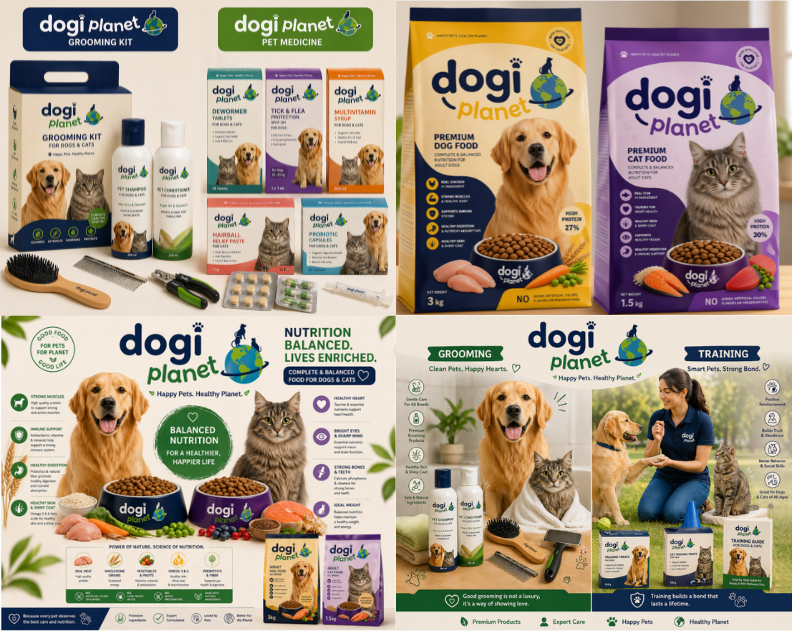
A Complete Guide to Pet Food by Dogi Planet | Healthy Nutrition Tips for Pets
A Complete Guide to Pet Food by Dogi Planet. Learn about pet nutrition, ingredients, feeding schedules, dry vs wet food, homemade diets, puppy and senior nutrition, and expert tips to keep your pets healthy and happy.

A Complete Guide to Pet Food by Dogi Planet
Introduction
Pet parents across the world are becoming more conscious about what they feed their furry companions. Just like humans, pets require balanced nutrition to maintain energy, immunity, healthy skin, strong bones, and a long life. Choosing the right pet food can feel overwhelming because the market is filled with countless brands, ingredients, labels, and feeding styles. From dry kibble and wet food to grain-free diets and homemade meals, understanding what is truly healthy for your pet is essential.
At Dogi Planet, we believe that good nutrition is the foundation of a healthy and happy life for pets. Whether you are raising a playful puppy, an active adult dog, or a senior companion, proper nutrition helps support growth, digestion, weight management, and overall well-being.
This complete guide to pet food will help you understand everything you need to know about pet nutrition, ingredients, feeding habits, food types, and how to choose the best diet for your beloved pet.
Understanding Pet Nutrition
Why Proper Nutrition Matters
Nutrition plays a major role in your pet’s overall health. A balanced diet supports:
- Strong muscles and bones
- Healthy skin and shiny coat
- Proper digestion
- Better immunity
- Healthy body weight
- Improved energy levels
- Brain development
- Longevity and disease prevention
Poor nutrition can lead to obesity, allergies, digestive problems, skin infections, joint pain, and chronic illnesses. Feeding your pet high-quality food ensures they receive the essential nutrients needed for optimal growth and health.
Essential Nutrients for Pets
Essential Nutrients for Pets: A Complete Guide to Healthy Pet Nutrition
Essential Nutrients for Pets | Complete Pet Nutrition Guide by Dogi Planet
Learn about the essential nutrients for pets, including proteins, fats, carbohydrates, vitamins, minerals, and water. Discover how balanced nutrition supports your pet’s health, energy, immunity, and overall well-being.
Essential Nutrients for Pets
Providing proper nutrition is one of the most important responsibilities of every pet owner. Just like humans, pets require a balanced diet filled with essential nutrients to stay healthy, active, and happy. Whether you have a playful puppy, an energetic adult dog, or a senior companion, understanding pet nutrition can help improve their quality of life and support long-term wellness.
At Dogi Planet, we believe that good nutrition is the foundation of a healthy pet. Essential nutrients help support muscle growth, digestion, immunity, brain function, healthy skin, shiny coats, strong bones, and overall energy levels. A poor diet, on the other hand, can lead to obesity, digestive issues, weak immunity, skin problems, and chronic diseases.
In this guide, we will explore the six essential nutrients every pet needs and how they contribute to optimal health.
Why Essential Nutrients Matter for Pets
A balanced diet provides pets with the nutrients necessary for daily body functions and growth. Every nutrient plays a specific role in maintaining physical and mental well-being.
Benefits of proper pet nutrition include:
- Strong muscles and bones
- Healthy skin and shiny fur
- Better digestion
- Improved immunity
- Increased energy levels
- Healthy weight management
- Better heart and brain health
- Longer lifespan
Pets that receive complete and balanced nutrition are generally healthier, more active, and less prone to disease.
The Six Essential Nutrients for Pets
1. Protein: The Building Block of Pet Health
Protein is one of the most important nutrients for pets. It supports muscle development, tissue repair, and overall body function. Dogs and cats require high-quality protein sources to maintain strength and energy.
Benefits of Protein for Pets
- Builds and repairs muscles
- Supports healthy skin and coat
- Strengthens the immune system
- Helps produce enzymes and hormones
- Maintains healthy organs and tissues
Best Protein Sources for Pets
High-quality animal proteins are the best option for most pets. Common protein sources include:
- Chicken
- Fish
- Turkey
- Beef
- Lamb
- Eggs
Plant proteins may also be included in some pet foods, but animal protein is generally easier for pets to digest and utilize.
Signs of Protein Deficiency
A lack of protein may cause:
- Muscle weakness
- Low energy
- Poor coat quality
- Slow growth
- Weak immunity
Choosing pet food with real meat as the first ingredient is an excellent way to ensure proper protein intake.
2. Fats: Essential for Energy and Healthy Skin
Fats are a concentrated source of energy and play a crucial role in your pet’s overall health. Healthy fats support brain development, skin health, and nutrient absorption.
Benefits of Healthy Fats
- Provide long-lasting energy
- Support brain and eye development
- Improve skin and coat health
- Help absorb vitamins
- Support heart health
Important Fatty Acids
Two essential fatty acids for pets are:
- Omega-3 fatty acids
- Omega-6 fatty acids
These nutrients help reduce inflammation and improve skin conditions.
Healthy Fat Sources
- Fish oil
- Salmon
- Flaxseed
- Chicken fat
- Sunflower oil
Signs of Fat Deficiency
Pets lacking healthy fats may experience:
- Dry skin
- Dull coat
- Hair loss
- Low energy
- Skin irritation
Balanced fat intake is essential because excessive fat can contribute to obesity.
3. Carbohydrates: A Source of Energy
Carbohydrates provide pets with energy and support digestive health. Although dogs do not require carbohydrates in large amounts, healthy carbs can still be beneficial when included in balanced proportions.
Benefits of Carbohydrates
- Provide energy
- Support digestive function
- Help maintain healthy blood sugar levels
- Supply dietary fiber
Healthy Carbohydrate Sources
- Brown rice
- Sweet potatoes
- Oats
- Pumpkin
- Peas
- Barley
Fiber and Digestion
Fiber is an important type of carbohydrate that supports gut health and regular bowel movements. Fiber also helps pets feel full, which can assist with weight management.
Avoid Excess Fillers
Low-quality pet foods may contain excessive corn, soy, or wheat fillers that provide little nutritional value.
4. Vitamins: Supporting Overall Wellness
Vitamins are essential nutrients that help regulate body functions and maintain overall health. Pets require a variety of vitamins for proper growth and immune support.
Important Vitamins for Pets
Vitamin A
Supports:
- Vision
- Skin health
- Immune function
Vitamin B Complex
Helps with:
- Energy production
- Brain function
- Metabolism
Vitamin C
Acts as an antioxidant and supports immunity.
Vitamin D
Important for:
- Bone strength
- Calcium absorption
Vitamin E
Supports healthy skin and immune health.
Vitamin K
Essential for proper blood clotting.
5. Minerals: Strengthening Bones and Body Functions
Minerals play an important role in maintaining strong bones, nerve function, muscle contractions, and overall body health.
Key Minerals for Pets
Calcium
Supports strong bones and teeth.
Phosphorus
Works with calcium to support skeletal health.
Zinc
Promotes skin health and wound healing.
Iron
Essential for healthy blood cells.
Magnesium
Supports muscle and nerve function.
Potassium
Helps maintain fluid balance and heart health.
Why Mineral Balance Matters
Too much or too little of certain minerals can lead to health problems. Balanced pet food formulas are designed to provide proper mineral levels.
6. Water: The Most Important Nutrient
Water is often overlooked, but it is one of the most essential nutrients for pets. Proper hydration is critical for nearly every bodily function.
Benefits of Water
- Regulates body temperature
- Supports digestion
- Helps transport nutrients
- Removes waste from the body
- Maintains healthy organs
Signs of Dehydration in Pets
- Dry gums
- Lethargy
- Loss of appetite
- Sunken eyes
- Excessive panting
Always provide pets with clean, fresh water throughout the day.
How Nutritional Needs Change with Age
Pets require different nutrients at different life stages.
Puppy Nutrition
Growing puppies need:
- High protein
- Healthy fats
- Calcium and phosphorus
- DHA for brain development
Adult Dog Nutrition
Adult dogs require balanced nutrition for energy and maintenance.
Senior Dog Nutrition
Senior pets benefit from:
- Lower calorie diets
- Joint-support supplements
- Easily digestible ingredients
- Increased fiber
Choosing age-appropriate food helps maintain long-term health.
Importance of Balanced Pet Food
Balanced nutrition ensures pets receive the correct amount of nutrients in proper proportions. Feeding too much or too little of certain nutrients can affect health.
Benefits of Balanced Diets
- Healthy weight maintenance
- Better digestion
- Strong immunity
- Improved energy
- Reduced disease risk
High-quality pet food is carefully formulated to meet nutritional standards.
Common Nutritional Mistakes Pet Owners Make
Many pet owners unintentionally make feeding mistakes that impact their pet’s health.
Overfeeding
Excess calories can lead to obesity and joint issues.
Feeding Too Many Treats
Treats should only make up a small percentage of daily calories.
Poor Quality Food Choices
Cheap pet foods may contain fillers and artificial additives.
Sudden Diet Changes
Rapid food changes can upset digestion.
Ignoring Portion Sizes
Each pet has unique calorie needs based on size and activity level.
Tips for Choosing Nutrient-Rich Pet Food
When selecting pet food, consider the following:
Read Ingredient Labels
Choose foods with real meat as the first ingredient.
Look for Complete and Balanced Formulas
Ensure the food meets recognized nutritional standards.
Avoid Artificial Additives
Limit foods containing artificial colors, preservatives, and flavors.
Consider Your Pet’s Needs
Choose formulas based on:
- Age
- Breed
- Activity level
- Health conditions
Consult a Veterinarian
Professional guidance helps ensure proper nutrition.
Natural Sources of Essential Nutrients
Many natural ingredients provide excellent nutritional value for pets.
Protein Sources
- Chicken
- Fish
- Turkey
- Eggs
Healthy Fats
- Fish oil
- Flaxseed
- Salmon oil
Fiber Sources
- Pumpkin
- Sweet potatoes
- Brown rice
Vitamins and Minerals
- Carrots
- Spinach
- Blueberries
Natural ingredients often provide better digestibility and nutritional benefits.
The Link Between Nutrition and Pet Health
Nutrition directly affects every aspect of your pet’s health.
A nutrient-rich diet can help:
- Reduce allergies
- Improve digestion
- Support joint health
- Strengthen immunity
- Maintain healthy skin and coat
- Increase lifespan
Healthy pets are more energetic, playful, and emotionally balanced.
Conclusion
Essential nutrients are the building blocks of a healthy and happy life for pets. Proteins, fats, carbohydrates, vitamins, minerals, and water all work together to support growth, energy, digestion, immunity, and overall wellness.
At Dogi Planet, we believe that understanding pet nutrition empowers pet owners to make better choices for their furry companions. Feeding high-quality, balanced food with the right nutrients can significantly improve your pet’s quality of life and help prevent future health problems.
Every pet deserves proper nutrition, clean water, regular exercise, and loving care. By focusing on nutrient-rich diets and balanced feeding habits, you can give your pet the healthiest and happiest life possible.
Every pet requires six major nutrients:
1. Protein
Protein is the building block of muscles, tissues, skin, and fur. Dogs need protein from high-quality animal sources such as chicken, fish, lamb, beef, turkey, or eggs.
Benefits of protein include:
- Muscle development
- Tissue repair
- Strong immune system
- Healthy skin and coat
2. Fats
Healthy fats provide energy and support brain function. Omega-3 and Omega-6 fatty acids are especially important for pets.
Benefits include:
- Healthy skin
- Glossy coat
- Brain development
- Joint support
- Better heart health
3. Carbohydrates
Carbohydrates provide energy and help support digestive health. Good carbohydrate sources include brown rice, oats, sweet potatoes, and vegetables.
4. Vitamins
Vitamins help regulate body functions and strengthen immunity. Important vitamins for pets include:
- Vitamin A
- Vitamin B complex
- Vitamin C
- Vitamin D
- Vitamin E
- Vitamin K
5. Minerals
Minerals support bones, nerves, and muscle function.
Important minerals include:
- Calcium
- Phosphorus
- Zinc
- Iron
- Magnesium
- Potassium
6. Water
Water is often overlooked but is one of the most important nutrients. Pets should always have access to clean and fresh drinking water.
Types of Pet Food
Understanding different types of pet food helps pet owners make informed decisions.
Dry Pet Food
Dry food, also called kibble, is one of the most popular feeding options.
Advantages of Dry Food
- Convenient and easy to store
- Affordable
- Helps reduce plaque buildup
- Longer shelf life
- Available in many formulas
Disadvantages
- Lower moisture content
- Some brands contain fillers
- May not suit picky eaters
Dry food works well for most healthy dogs when paired with proper hydration.
Wet Pet Food
Wet food contains higher moisture levels and often has stronger flavors.
Advantages
- Easier to chew
- Better hydration
- More appealing taste
- Ideal for senior pets
Disadvantages
- More expensive
- Shorter shelf life after opening
- Can contribute to dental buildup
Wet food is excellent for dogs with dental problems, low appetite, or dehydration issues.
Semi-Moist Food
Semi-moist food is softer than kibble and often comes in pouches.
Benefits
- Easy to eat
- Attractive flavor
- Convenient packaging
Drawbacks
- Often contains artificial preservatives
- Higher sugar and salt content
Raw Diets
Raw diets include uncooked meat, organs, bones, and vegetables.
Potential Benefits
- High protein intake
- Improved coat quality
- Better dental health
- Increased energy
Risks
- Bacterial contamination
- Nutritional imbalance
- Unsafe bone consumption
Raw diets should always be planned carefully with veterinary guidance.
Homemade Pet Food
Many pet owners prefer homemade meals because they can control ingredients.
Benefits
- Fresh ingredients
- No artificial additives
- Customized nutrition
Challenges
- Time-consuming
- Difficult to balance nutrients
- Requires expert planning
Homemade diets should include proper protein, carbohydrates, fats, vitamins, and minerals.
How to Read Pet Food Labels
Understanding pet food labels helps you choose quality products.
Check the Ingredient List
Ingredients are listed in descending order by weight.
Look for:
- Real meat as the first ingredient
- Whole grains and vegetables
- Natural preservatives
- Recognizable ingredients
Avoid foods with excessive:
- Artificial colors
- Artificial flavors
- By-products
- Corn syrup
- Fillers
Understand Guaranteed Analysis
This section shows nutrient percentages such as:
- Protein
- Fat
- Fiber
- Moisture
Higher protein content is usually better for active dogs.
Look for Nutritional Adequacy Statements
A complete and balanced statement ensures the food meets nutritional standards.
Check Expiration Dates
Always verify freshness before purchasing.
Choosing the Right Food for Your Pet
Every pet is different. Factors such as age, breed, activity level, and health conditions influence dietary needs.
Food for Puppies
Puppies need nutrient-rich food for growth and development.
Puppy Food Should Include
- High protein
- DHA for brain development
- Calcium and phosphorus
- Healthy fats
Feeding Frequency
- 8–12 weeks: 4 meals daily
- 3–6 months: 3 meals daily
- 6–12 months: 2 meals daily
Food for Adult Dogs
Adult dogs require balanced nutrition to maintain weight and energy.
Focus On
- Moderate protein
- Controlled calories
- Joint support nutrients
- Digestive health
Food for Senior Dogs
Senior pets have changing nutritional requirements.
Ideal Senior Diet Includes
- Lower calories
- Joint supplements
- Easily digestible ingredients
- Higher fiber
Senior dogs may also need softer food for easier chewing.
Breed-Specific Nutrition
Different breeds have different nutritional requirements.
Small Breed Dogs
Small breeds have fast metabolisms.
Nutritional Needs
- Calorie-dense food
- Small kibble size
- High protein
Large Breed Dogs
Large dogs need controlled growth to protect joints.
Nutritional Focus
- Balanced calcium levels
- Joint support
- Weight management
Active and Working Dogs
Highly active dogs require more calories and protein.
Best Diet Features
- High protein
- Healthy fats
- Energy-rich nutrients
Common Pet Food Ingredients Explained
Understanding ingredients helps pet owners make smarter choices.
Chicken
A high-quality protein source rich in amino acids.
Fish
Fish provides omega fatty acids that support skin and coat health.
Brown Rice
A digestible carbohydrate source that provides energy.
Sweet Potatoes
Rich in fiber, vitamins, and antioxidants.
Pumpkin
Excellent for digestion and gut health.
Flaxseed
Supports skin, coat, and digestion.
Probiotics
Beneficial bacteria that support digestive health.
Ingredients to Avoid in Pet Food
Some ingredients may negatively affect your pet’s health.
Artificial Preservatives
Examples include:
- BHA
- BHT
- Ethoxyquin
Artificial Colors
These provide no nutritional value.
Excessive Fillers
Too much corn, wheat, or soy may reduce nutritional quality.
Generic Meat By-Products
Low-quality meat by-products can be difficult to digest.
Excess Sugar and Salt
Too much sugar or sodium can contribute to obesity and health problems.
Grain-Free Pet Food: Is It Necessary?
Grain-free diets have become popular, but not all pets need them.
Benefits of Grain-Free Diets
- Helpful for pets with grain allergies
- Easier digestion for some dogs
- Alternative carbohydrate sources
Potential Concerns
Some studies suggest certain grain-free diets may be linked to heart issues in dogs.
Always consult a veterinarian before switching to grain-free food.
Wet Food vs Dry Food
Pet owners often wonder which option is better.
Dry Food Advantages
- Cost-effective
- Convenient
- Better for dental health
Wet Food Advantages
- Better hydration
- Easier chewing
- More flavorful
Best Approach
Many pet owners combine both dry and wet food for balanced benefits.
Understanding Pet Food Allergies
Food allergies can affect pets of all ages.
Common Symptoms
- Itchy skin
- Ear infections
- Vomiting
- Diarrhea
- Excessive licking
Common Allergens
- Beef
- Chicken
- Dairy
- Wheat
- Soy
Managing Allergies
- Elimination diets
- Limited ingredient foods
- Veterinary testing
Always seek professional advice if food allergies are suspected.
Importance of Feeding Schedules
Consistent feeding schedules help maintain healthy digestion and energy levels.
Benefits of Scheduled Feeding
- Better digestion
- Easier weight control
- Predictable bathroom habits
- Reduced overeating
Recommended Feeding Times
Adult dogs generally do well with two meals per day.
Puppies may require more frequent meals.
Portion Control and Weight Management
Obesity is one of the most common health problems in pets.
Signs of Overweight Pets
- Difficulty walking
- Low energy
- Excessive panting
- Inability to feel ribs easily
Tips for Weight Management
- Measure food portions
- Avoid overfeeding treats
- Exercise regularly
- Choose balanced diets
Maintaining a healthy weight reduces the risk of diabetes, arthritis, and heart disease.
Healthy Treats for Pets
Treats should complement a balanced diet.
Healthy Treat Options
- Carrots
- Pumpkin
- Apples without seeds