

Why Organic Pet Food Is Becoming the Preferred Choice for Modern Pet Owners
Organic Pet Food: The Complete Guide to Healthier Nutrition for Pets,Discover everything about organic pet food, including benefits, ingredients, nutrition, safety standards, and buying tips. Learn how organic pet food supports healthier dogs and cats while improving long-term wellness.
Pet owners around the world are becoming increasingly conscious about the quality of food they provide to their furry companions. Just as people are shifting toward cleaner and healthier diets, the demand for organic pet food has grown rapidly in recent years. Whether you own a dog, cat, rabbit, or another beloved pet, choosing the right nutrition plays a major role in their overall health, energy levels, and lifespan.
Organic pet food is no longer considered a luxury product reserved for a niche market. Today, it has become a mainstream choice among responsible pet parents who want safe, natural, and nutritious meals for their animals. The increasing awareness about artificial preservatives, synthetic additives, low-quality fillers, and pesticide exposure has encouraged consumers to seek healthier alternatives.
In this comprehensive guide, you will learn everything about organic pet food, including its meaning, benefits, ingredients, safety standards, nutritional value, myths, and how to select the best products for your pet. This article also explores the environmental impact of organic farming and why veterinarians and nutrition experts are paying more attention to organic diets.

What Is Organic Pet Food?
Organic pet food refers to pet meals made from ingredients that are grown and processed without harmful pesticides, artificial fertilizers, antibiotics, genetically modified organisms (GMOs), or synthetic chemicals. Organic farming practices focus on sustainability, animal welfare, soil health, and natural production methods.
To qualify as organic, pet food products must meet strict standards established by organic certification authorities. These standards ensure that ingredients are responsibly sourced and minimally processed.
Organic pet food may include:
- Organic meat and poultry
- Organic vegetables and fruits
- Natural grains and legumes
- Organic oils and supplements
- Natural preservatives
Unlike conventional pet food, organic formulas avoid artificial colors, flavors, chemical preservatives, and questionable by-products.
The primary goal of organic pet food is to provide cleaner and safer nutrition that supports the long-term health of pets.
Why Organic Pet Food Is Growing in Popularity
The global pet food industry has changed dramatically over the last decade. More pet owners now treat their pets as family members, leading to higher expectations regarding food quality.
Organic pet food has experienced tremendous growth in recent years as pet owners become more conscious about the quality of nutrition they provide to their animals. Pets are increasingly considered part of the family, and this emotional connection has encouraged consumers to seek healthier, safer, and more natural food options. The shift toward organic living among humans has also influenced purchasing decisions in the pet care industry, making organic pet food one of the fastest-growing segments in the global pet market.
One major reason for the growing popularity of organic pet food is the increasing awareness of pet health and wellness. Many pet owners now understand that diet plays a crucial role in a pet’s overall health, energy levels, immune system, digestion, and lifespan. Conventional pet foods often contain artificial preservatives, chemical additives, synthetic flavors, fillers, and low-quality by-products, which have raised concerns among consumers. Organic pet food offers a cleaner alternative made with natural ingredients grown without harmful pesticides, antibiotics, or genetically modified organisms (GMOs).
Another important factor driving demand is the rise in pet allergies and digestive problems. Many dogs and cats suffer from food sensitivities, skin irritations, itching, vomiting, and stomach discomfort caused by artificial ingredients or poor-quality proteins. Organic pet food typically contains higher-quality ingredients and fewer synthetic chemicals, making it easier for sensitive pets to digest. As a result, many owners notice improvements in their pets’ skin condition, coat quality, and digestive health after switching to organic diets.
The humanization of pets has also significantly contributed to the popularity of organic pet food. Modern pet parents are applying the same nutritional standards they use for themselves to their pets. As people adopt healthier lifestyles and consume organic products, they naturally want the same level of quality and safety for their companion animals. This trend has increased demand for premium pet foods made with natural and ethically sourced ingredients.
Environmental awareness is another reason why organic pet food continues to gain attention. Organic farming practices focus on sustainability, soil health, biodiversity, and animal welfare. Consumers who care about environmental responsibility often prefer organic products because they reduce chemical pollution and support eco-friendly agriculture. Choosing organic pet food allows pet owners to contribute to a more sustainable food system while supporting healthier farming practices.
Veterinary recommendations and educational content online have further accelerated market growth. Many veterinarians and pet nutrition experts emphasize the importance of high-quality ingredients and balanced nutrition. Social media, pet blogs, and online reviews have also made information about organic pet food more accessible, helping consumers make informed decisions.
Additionally, the pet food industry has evolved to meet changing consumer expectations. Today, organic pet food is available in a wide variety of formulas, including grain-free diets, limited-ingredient recipes, wet food, dry kibble, freeze-dried meals, and organic treats. Improved product availability in supermarkets, pet stores, and online marketplaces has made organic options easier to access than ever before.
As pet owners continue prioritizing health, nutrition, sustainability, and ingredient transparency, the demand for organic pet food is expected to grow even further. The popularity of organic pet food reflects a broader movement toward healthier living and responsible pet care, making it a long-term trend rather than a temporary fad.
Several factors have contributed to the rise of organic pet food:
Increased Awareness About Pet Health
Pet owners are more informed about nutrition than ever before. Many understand that poor-quality food can contribute to obesity, digestive issues, allergies, and chronic illnesses.
One of the biggest reasons behind the growing demand for organic pet food is the increased awareness about pet health and nutrition. Modern pet owners are more informed than ever before and understand that proper nutrition directly affects a pet’s overall wellbeing, energy levels, immune system, and lifespan. As pets are increasingly viewed as family members, people are paying closer attention to the ingredients found in pet food and making healthier choices for their furry companions.
In the past, many pet owners focused mainly on affordability and convenience when purchasing pet food. However, growing access to information through veterinarians, online resources, pet care blogs, and social media has changed consumer behavior. Today, people actively research pet nutrition and seek food products that contain natural, high-quality ingredients while avoiding harmful additives and artificial chemicals.
Many conventional pet foods contain preservatives, artificial colors, synthetic flavors, fillers, and low-quality meat by-products that may negatively impact a pet’s health over time. Increased awareness about these ingredients has encouraged pet owners to look for cleaner and safer alternatives. Organic pet food appeals to health-conscious consumers because it is produced without synthetic pesticides, antibiotics, hormones, or genetically modified organisms (GMOs).
Pet owners are also becoming more aware of common health problems linked to poor nutrition, including obesity, allergies, digestive disorders, skin irritation, diabetes, and joint issues. As a result, many people are switching to organic pet food to provide balanced nutrition that supports healthier digestion, stronger immunity, improved skin and coat condition, and better weight management.
The rise in pet healthcare spending has further contributed to this awareness. Many owners recognize that investing in high-quality nutrition may help reduce long-term veterinary expenses by preventing certain health issues before they become serious. Preventive care through proper diet has become a major focus in modern pet parenting.
Veterinarians and animal nutrition experts also play a significant role in educating consumers about the importance of quality pet food. Recommendations from professionals often encourage owners to select foods with real meat, natural ingredients, and minimal processing. Organic pet food aligns well with these recommendations because it emphasizes ingredient purity and nutritional quality.
Social media has additionally influenced pet health awareness. Pet influencers, veterinarians, breeders, and animal wellness advocates frequently share educational content about healthy diets, food sensitivities, ingredient labels, and pet nutrition trends. This constant flow of information has made consumers more cautious about what they feed their pets.
As awareness about pet health continues to grow, consumers are increasingly prioritizing nutrition, ingredient transparency, and food safety. Organic pet food has become a preferred option for many pet owners who want to provide healthier, cleaner, and more natural meals that support the long-term wellbeing of their beloved animals.
Concerns About Artificial Ingredients
Many conventional pet foods contain preservatives, fillers, and synthetic additives that may negatively affect pets over time.
Concerns About Artificial Ingredients
Concerns about artificial ingredients in conventional pet food have become one of the leading factors driving the popularity of organic pet food. As pet owners become more educated about nutrition and food safety, many are carefully examining ingredient labels and questioning the long-term effects of synthetic additives on their pets’ health. This growing awareness has encouraged consumers to choose organic pet food made with natural, minimally processed ingredients.
Many traditional pet food products contain artificial preservatives, colors, flavors, and chemical additives designed to improve shelf life, appearance, and taste. Common synthetic preservatives such as BHA, BHT, and ethoxyquin have raised concerns among health-conscious consumers due to their potential links to health risks when consumed over long periods. Although these ingredients may be legally approved in some regions, many pet owners prefer to avoid them entirely and seek cleaner alternatives.
Artificial colors and flavor enhancers are another major concern. These additives are often used to make pet food appear more visually appealing to humans, even though pets do not necessarily benefit from them. Some owners worry that unnecessary chemicals may contribute to allergies, hyperactivity, skin irritation, digestive issues, or sensitivities in certain animals. Organic pet food avoids synthetic coloring agents and instead relies on natural ingredients for flavor and nutrition.
Low-quality fillers and meat by-products found in some conventional pet foods have also become a concern. Ingredients such as corn fillers, unnamed animal by-products, and heavily processed materials may provide limited nutritional value compared to whole-food ingredients. In contrast, organic pet food usually contains clearly identified protein sources, organic vegetables, fruits, and natural grains that offer better nutritional quality and digestibility.
Another important issue is exposure to pesticides, antibiotics, hormones, and genetically modified organisms (GMOs). Conventional farming practices may involve chemical treatments that leave residues in food ingredients. Many consumers worry that continuous exposure to these substances could negatively affect their pets’ long-term health. Organic pet food addresses these concerns by using ingredients produced under stricter farming regulations that avoid synthetic pesticides and genetically modified crops.
Food allergies and sensitivities have also contributed to concerns about artificial ingredients. Many pets experience symptoms such as itching, vomiting, diarrhea, ear infections, and digestive discomfort due to reactions to certain additives or low-quality ingredients. Organic pet food often contains simpler, cleaner formulations that may help reduce these reactions in sensitive pets.
The growing demand for transparency in the pet food industry has further increased skepticism toward artificial ingredients. Pet owners now expect brands to clearly disclose sourcing, ingredient quality, and manufacturing practices. Organic pet food brands often emphasize transparency, natural nutrition, and ingredient integrity, which helps build consumer trust.
As awareness about pet wellness continues to rise, more people are choosing organic pet food to avoid unnecessary chemicals and artificial additives. The preference for natural nutrition reflects a broader shift toward healthier lifestyles and preventive care, with pet owners seeking safer and more wholesome options for their beloved companions.
Humanization of Pets
Modern pet owners often apply the same dietary standards they use for themselves to their pets.
Humanization of Pets
The humanization of pets is one of the most influential trends driving the rapid growth of the organic pet food industry. Today, pets are no longer viewed simply as animals kept for companionship or security. Instead, many people consider their dogs, cats, and other pets to be valued members of the family. This emotional connection has significantly changed the way pet owners care for their animals, especially when it comes to nutrition, health, comfort, and overall wellbeing.
As pets become more integrated into family life, owners are applying the same standards they use for themselves to their pets. People who prioritize healthy eating, organic foods, and natural lifestyles often want their pets to enjoy similar benefits. This shift in mindset has increased demand for premium and organic pet food products made with high-quality ingredients and cleaner formulations.
Modern consumers are more concerned about what goes into pet food than ever before. Just as people carefully read labels on human food products, pet owners now examine ingredient lists, nutritional value, sourcing practices, and certifications before purchasing pet food. They want meals that contain real meat, organic vegetables, natural preservatives, and balanced nutrition while avoiding artificial additives, synthetic chemicals, and low-quality fillers.
The humanization trend has also changed spending habits within the pet care industry. Many owners are willing to invest more money in premium products that support their pets’ health and happiness. Organic pet food, natural treats, wellness supplements, luxury pet accessories, and specialized veterinary care have all benefited from this growing emotional attachment between humans and their pets.
Social media has further strengthened the humanization of pets. Platforms such as Instagram, YouTube, and TikTok are filled with pet influencers, pet care tips, healthy feeding routines, and lifestyle content that encourage owners to provide the best possible care for their animals. This constant exposure influences consumer behavior and increases awareness about high-quality nutrition options like organic pet food.
Another important aspect of pet humanization is preventive healthcare. Many owners now understand that proper nutrition can help reduce health risks, improve quality of life, and support longevity. As a result, they actively seek healthier diets that may help prevent obesity, allergies, digestive disorders, and chronic illnesses. Organic pet food aligns with these goals because it focuses on natural ingredients, balanced nutrition, and reduced exposure to harmful chemicals.
The emotional bond between pets and owners has also created demand for ethically produced products. Consumers increasingly prefer brands that support sustainable farming, animal welfare, and environmentally responsible manufacturing practices. Organic pet food companies often emphasize these values, making them attractive to socially conscious consumers.
In many households, pets are treated similarly to children, with owners prioritizing their comfort, emotional wellbeing, and long-term health. This shift has transformed the pet food industry and elevated expectations regarding quality and safety standards. Organic pet food has become a symbol of responsible and compassionate pet parenting, reflecting the desire to provide pets with healthier and more natural lifestyles.
As the humanization of pets continues to grow globally, the demand for organic pet food and premium pet care products is expected to rise even further. This trend highlights the deep emotional connection people share with their pets and the increasing commitment to providing them with the highest quality care possible.
Environmental Awareness
Organic farming methods support sustainability and reduce environmental damage.
Environmental Awareness
Environmental awareness has become a major factor influencing the growing demand for organic pet food. As consumers become more conscious of climate change, pollution, sustainability, and responsible farming practices, many pet owners are seeking eco-friendly products that align with their environmental values. Organic pet food supports this movement by promoting sustainable agriculture, reducing chemical use, and encouraging ethical production methods.
Traditional farming practices often rely heavily on synthetic pesticides, chemical fertilizers, antibiotics, and genetically modified organisms (GMOs). While these methods may increase production efficiency, they can also contribute to soil degradation, water pollution, biodiversity loss, and environmental damage. Many environmentally conscious consumers are concerned about the long-term impact of these practices on ecosystems and public health.
Organic farming offers a more sustainable alternative. Organic pet food ingredients are produced using farming methods that avoid harmful synthetic chemicals and prioritize natural agricultural processes. These practices help preserve soil fertility, protect water sources, and reduce pollution. By choosing organic pet food, consumers support farming systems that are designed to work in harmony with nature rather than against it.
Another important environmental benefit of organic farming is improved biodiversity. Organic farms often encourage crop rotation, natural pest control, and healthier ecosystems that support beneficial insects, wildlife, and plant diversity. This contributes to a more balanced environment and helps maintain ecological stability over time.
Animal welfare is also closely connected to environmental awareness. Many organic farming standards require livestock to be raised in healthier and more humane conditions with better access to outdoor environments and natural feeding practices. Consumers who care about ethical treatment of animals are often drawn to organic pet food because it reflects responsible and compassionate production methods.
Sustainable sourcing and eco-friendly packaging have become additional priorities within the organic pet food industry. Many brands are now investing in recyclable packaging, reduced plastic use, and environmentally responsible supply chains. Consumers increasingly prefer companies that demonstrate transparency and commitment to sustainability throughout the production process.
The environmental impact of pet ownership has also become a growing topic of discussion. As the global pet population increases, demand for pet food production continues to rise. Many consumers recognize that choosing sustainably produced pet food can help reduce environmental strain. Organic pet food represents a more environmentally responsible option because it often uses cleaner production systems and sustainable ingredient sourcing.
Climate-conscious consumers are also paying attention to carbon footprints and agricultural emissions. Organic farming methods may help reduce certain environmental pressures by improving soil health and supporting carbon retention. While no food production system is completely without impact, organic agriculture is widely viewed as a more sustainable long-term approach.
Social media, documentaries, and environmental campaigns have further increased awareness about sustainable living and ethical consumption. As people become more mindful of the environmental consequences of their purchasing decisions, many extend these values to pet care products, including pet food.
Ultimately, environmental awareness is reshaping consumer behavior across many industries, including pet nutrition. Organic pet food appeals to modern pet owners who want to provide healthy meals for their pets while also supporting sustainability, animal welfare, and eco-friendly farming practices. This combination of health consciousness and environmental responsibility continues to fuel the rising popularity of organic pet food worldwide.
Veterinary Recommendations
Some veterinarians recommend organic diets for pets with allergies, sensitive digestion, or skin conditions.
As consumers become more health-conscious, organic pet food continues to gain trust and market demand.
Benefits of Organic Pet Food
Organic pet food offers a wide range of health benefits for dogs, cats, and other pets.
Benefits of Organic Pet Food
Organic pet food has become increasingly popular among pet owners who want to provide healthier, safer, and more natural nutrition for their animals. Made from ingredients grown without synthetic pesticides, artificial chemicals, antibiotics, or genetically modified organisms (GMOs), organic pet food focuses on quality, purity, and balanced nutrition. As awareness about pet health continues to grow, many people are discovering the numerous benefits that organic diets can offer to dogs, cats, and other companion animals.
Improved Digestive Health
One of the biggest benefits of organic pet food is better digestion. Organic formulas are typically made with high-quality natural ingredients that are easier for pets to process and absorb. Unlike some conventional pet foods that contain artificial additives, fillers, and heavily processed ingredients, organic pet food supports a healthier digestive system.
Pets that switch to organic food may experience:
- Reduced bloating
- Better nutrient absorption
- Healthier bowel movements
- Less stomach discomfort
- Reduced vomiting or diarrhea
Natural ingredients and limited chemical exposure often help maintain a balanced digestive environment, especially for pets with sensitive stomachs.
Healthier Skin and Shinier Coat
Skin and coat condition are strong indicators of a pet’s overall health. Organic pet food often contains essential fatty acids, vitamins, minerals, and high-quality proteins that support healthy skin and a glossy coat.
Benefits may include:
- Reduced itching and dryness
- Less shedding
- Softer fur
- Improved coat shine
- Fewer skin allergies
Omega-3 and omega-6 fatty acids found in natural oils and fish ingredients help nourish the skin and improve coat quality naturally.
Reduced Exposure to Harmful Chemicals
Organic pet food is produced without synthetic pesticides, chemical fertilizers, artificial preservatives, hormones, or antibiotics. This significantly reduces a pet’s exposure to potentially harmful substances that may accumulate over time.
Many pet owners prefer organic products because they avoid:
- Artificial colors
- Synthetic flavor enhancers
- Chemical preservatives
- GMO ingredients
- Antibiotic-treated livestock
Cleaner ingredients provide peace of mind for owners who prioritize long-term wellness and safer nutrition.
Better Nutritional Quality
Organic pet food often contains fresher and minimally processed ingredients, which helps preserve natural nutrients. High-quality proteins, vegetables, fruits, and healthy fats provide balanced nutrition that supports overall health.
Organic diets commonly include:
- Real meat protein
- Natural antioxidants
- Essential vitamins and minerals
- Healthy fats
- Fiber-rich ingredients
These nutrients contribute to stronger immunity, improved energy levels, and better body function.
Stronger Immune System
Natural ingredients rich in antioxidants can help strengthen the immune system and protect pets from illness. Organic fruits and vegetables provide vitamins that support healthy immune function and help the body fight infections and inflammation.
A stronger immune system may contribute to:
- Faster recovery from illness
- Reduced inflammation
- Better resistance to infections
- Improved overall vitality
Healthy nutrition plays a critical role in maintaining long-term wellness and disease prevention.
Increased Energy and Vitality
Pets fed balanced organic diets often show improved energy levels and enthusiasm. Better nutrition supports metabolism, muscle function, and overall physical health.
Many pet owners report that their pets become:
- More active
- More playful
- More alert
- Happier and energetic
Because organic pet food contains cleaner ingredients and fewer unnecessary fillers, pets can use nutrients more efficiently for energy production.
Reduced Risk of Food Allergies and Sensitivities
Food allergies and sensitivities are increasingly common among pets. Artificial additives, low-quality proteins, and chemical ingredients in some conventional foods may trigger allergic reactions or digestive problems.
Common symptoms of food sensitivities include:
- Itchy skin
- Ear infections
- Digestive upset
- Excessive scratching
- Hair loss
Organic pet food often uses simpler and cleaner ingredient lists, making it easier for sensitive pets to tolerate. Limited-ingredient organic formulas are especially helpful for pets with allergies.
Better Weight Management
Obesity has become a major health issue for pets worldwide. Organic pet food can support healthy weight management because it typically contains balanced protein, healthier fats, and fewer low-quality fillers.
Maintaining a healthy weight helps reduce the risk of:
- Diabetes
- Joint problems
- Heart disease
- Reduced mobility
- Shortened lifespan
Proper nutrition combined with regular exercise helps pets maintain optimal body condition.
Supports Long-Term Health
Good nutrition is essential for long-term wellness and longevity. Organic pet food may help support healthy aging by reducing exposure to unnecessary chemicals and providing balanced nutrients that support body function.
Potential long-term benefits include:
- Improved joint health
- Better heart health
- Reduced chronic inflammation
- Healthier organ function
- Enhanced quality of life
While no diet can guarantee perfect health, cleaner nutrition can contribute positively to overall wellbeing.
Higher-Quality Protein Sources
Protein is one of the most important components of a pet’s diet, especially for dogs and cats. Organic pet food often contains clearly identified and higher-quality protein sources such as organic chicken, turkey, lamb, beef, or fish.
Benefits of quality protein include:
- Muscle maintenance
- Tissue repair
- Healthy metabolism
- Strong immune function
- Improved growth and development
High-quality proteins are easier to digest and provide essential amino acids needed for healthy body function.
Improved Mental and Cognitive Health
Certain organic ingredients rich in omega fatty acids and antioxidants may help support brain health and cognitive function, especially in senior pets.
Benefits may include:
- Better focus and alertness
- Improved memory support
- Reduced cognitive decline in older pets
Healthy fats and nutrient-rich diets contribute to overall neurological wellness.
Environmentally Friendly Choice
Organic pet food benefits not only pets but also the environment. Organic farming practices focus on sustainability, biodiversity, and reduced chemical pollution.
Environmental benefits include:
- Healthier soil
- Reduced pesticide use
- Improved animal welfare
- Lower environmental pollution
- Sustainable agriculture support
Environmentally conscious consumers often choose organic pet food to align with eco-friendly values.
Better Transparency and Ingredient Quality
Organic pet food brands often emphasize transparency regarding ingredient sourcing, farming practices, and manufacturing standards. Pet owners appreciate knowing exactly what they are feeding their animals.
Reputable organic brands usually provide:
- Clearly labeled ingredients
- Ethical sourcing practices
- Higher manufacturing standards
- Quality testing and certifications
This transparency helps build consumer trust and confidence.
Peace of Mind for Pet Owners
Many pet owners feel more comfortable feeding their pets organic food because they believe it offers safer and healthier nutrition. Knowing that meals are made with natural ingredients and fewer artificial chemicals provides reassurance and emotional satisfaction.
Pets are beloved family members, and owners naturally want to provide the best possible care. Organic pet food reflects a commitment to health, wellness, and responsible pet parenting.
Conclusion
Organic pet food offers numerous benefits for pets and pet owners alike. From improved digestion and healthier skin to stronger immunity and reduced exposure to harmful chemicals, organic nutrition supports overall wellness and long-term health. High-quality ingredients, natural production methods, and balanced nutrition make organic pet food an appealing choice for modern pet parents who prioritize health and sustainability.
While every pet has unique dietary needs, many animals thrive on cleaner and more natural diets. Choosing organic pet food can be an important step toward providing safer, healthier, and more nutritious meals that contribute to a happier and more active life for pets.
Better Digestive Health
Organic pet food usually contains high-quality natural ingredients that are easier for pets to digest. Artificial additives and low-grade fillers are minimized or eliminated.
Pets consuming organic diets may experience:
- Improved digestion
- Reduced bloating
- Better nutrient absorption
- Healthier bowel movements
Improved Skin and Coat Condition
Many pets suffer from itchy skin, dryness, or excessive shedding due to poor nutrition.
Organic pet food often includes essential fatty acids, vitamins, and natural proteins that support:
- Shinier coats
- Healthier skin
- Reduced itching
- Lower risk of allergic reactions
Higher Nutritional Quality
Organic ingredients are often fresher and less processed. This helps preserve important nutrients.
Organic pet food commonly contains:
- High-quality proteins
- Natural antioxidants
- Essential vitamins
- Omega fatty acids
- Balanced minerals
Reduced Exposure to Chemicals
One of the biggest advantages of organic pet food is lower exposure to:
- Pesticides
- Artificial hormones
- Antibiotics
- Chemical preservatives
- GMOs
Reducing chemical intake may support long-term wellness.
Better Energy Levels
Pets fed balanced organic diets often show increased energy and vitality due to improved nutrition.
Supports Strong Immune Function
Natural ingredients rich in antioxidants can help strengthen the immune system.
Reduced Risk of Food Allergies
Organic foods may help pets with sensitivities because they avoid artificial ingredients commonly linked to allergic reactions.
Key Ingredients Found in Organic Pet Food
Understanding ingredient labels is essential when choosing organic pet food.
Organic Protein Sources
Protein is the foundation of pet nutrition.
Common organic protein sources include:
- Organic chicken
- Organic turkey
- Organic beef
- Organic lamb
- Organic fish
- Organic eggs
High-quality protein helps maintain muscle development and overall health.
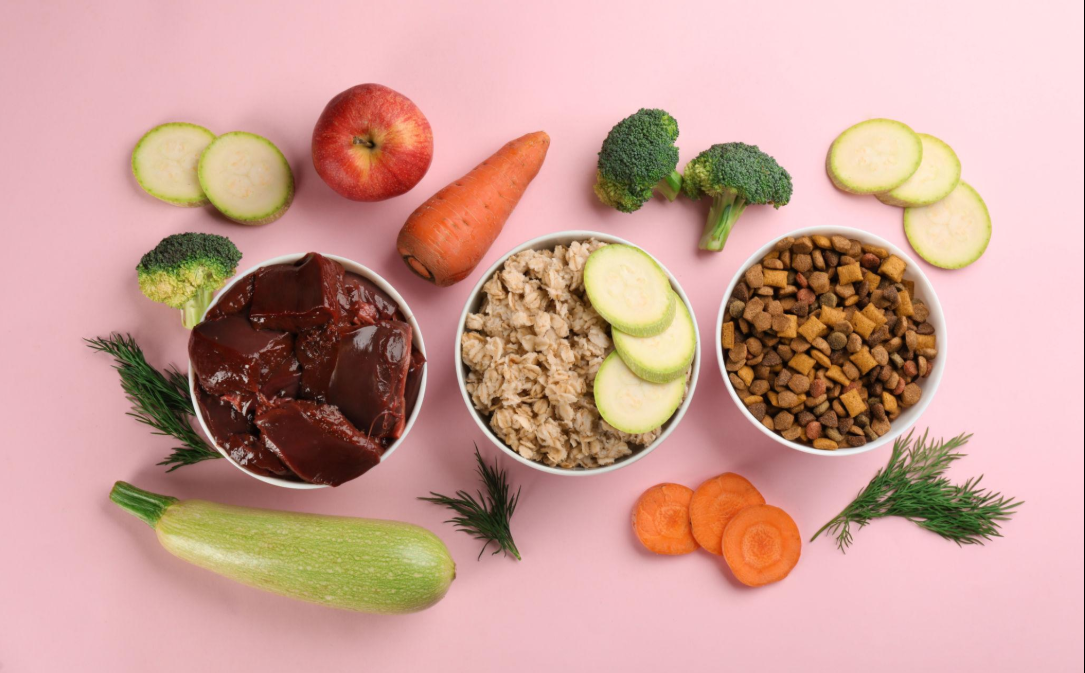
Organic Vegetables
Vegetables provide vitamins, minerals, and antioxidants.
Common ingredients include:
- Sweet potatoes
- Carrots
- Spinach
- Peas
- Pumpkin
- Kale
Organic Fruits
Fruits support immunity and digestion.
Examples include:
- Blueberries
- Apples
- Cranberries
- Bananas
Whole Grains
Some organic pet foods include grains for energy and fiber.
Popular options:
- Brown rice
- Oats
- Barley
- Quinoa
Healthy Fats
Healthy fats are essential for skin, coat, and brain health.
Sources include:
- Flaxseed oil
- Fish oil
- Coconut oil
- Sunflower oil
Natural Preservatives
Organic pet food avoids synthetic preservatives.
Natural alternatives may include:
- Vitamin E
- Rosemary extract
- Mixed tocopherols
Organic Pet Food vs Conventional Pet Food
Understanding the difference between organic and conventional pet food helps pet owners make informed decisions.
Ingredient Quality
Organic pet food uses cleaner and more natural ingredients.
Conventional pet food may include:
- Meat by-products
- Artificial additives
- Chemical preservatives
- Low-quality fillers
Farming Practices
Organic farming avoids harmful chemicals and promotes sustainability.
Conventional farming often uses:
- Pesticides
- Growth hormones
- Antibiotics
Nutritional Value
Organic food may preserve more nutrients because of minimal processing.
Environmental Impact
Organic agriculture generally produces less pollution and supports biodiversity.
Cost Differences
Organic pet food is usually more expensive because of higher-quality ingredients and stricter production standards.
However, many pet owners believe the long-term health benefits justify the additional cost.
Understanding Organic Certifications
Organic labels can sometimes confuse consumers.
USDA Organic Certification
Products carrying the USDA Organic seal must meet strict standards.
Requirements may include:
- Organic farming methods
- No synthetic pesticides
- No GMOs
- No artificial additives
Certified Organic Ingredients
Some products may contain only certain certified organic ingredients rather than being fully organic.
Reading Labels Carefully
Pet owners should carefully review labels and ingredient lists.
Look for:
- Certified organic claims
- Transparent sourcing
- Real meat as the first ingredient
- Limited artificial additives
Is Organic Pet Food Better for Dogs?
Dogs can benefit significantly from high-quality organic nutrition.
Supports Healthy Weight
Organic dog food often avoids excessive fillers and unhealthy fats.
Better Joint Health
Many organic formulas include anti-inflammatory ingredients and omega fatty acids.
Improved Digestion
Natural ingredients may reduce digestive discomfort.
Enhanced Coat Appearance
Organic nutrition can improve fur texture and shine.
Reduced Allergies
Some dogs with food sensitivities react better to organic diets.
Every dog is different, so results may vary.
Is Organic Pet Food Better for Cats?
Cats have unique nutritional requirements because they are obligate carnivores.
High-Quality Protein Matters
Organic cat food often provides cleaner animal protein sources.
Supports Urinary Health
Hydrating organic wet foods may help maintain urinary tract health.
Reduced Artificial Additives
Cats sensitive to chemicals may benefit from cleaner diets.
Healthy Skin and Fur
Omega fatty acids help maintain coat quality.
Better Digestive Balance
Natural ingredients may support gut health.
Cat owners should choose products specifically formulated for feline nutritional needs.
Grain-Free vs Organic Pet Food
Many people confuse grain-free food with organic food.
However, they are completely different concepts.
Grain-Free Pet Food
Grain-free products eliminate grains such as wheat, corn, or rice.
Organic Pet Food
Organic food focuses on farming and ingredient quality.
A product can be:
- Organic and grain-free
- Organic with grains
- Conventional and grain-free
The best choice depends on your pet’s specific health needs.
Common Myths About Organic Pet Food
There are many misconceptions surrounding organic pet nutrition.
Myth 1: Organic Pet Food Is Only Marketing
Organic certification requires compliance with strict standards.
Myth 2: Organic Food Has No Nutritional Difference
Ingredient quality and reduced chemical exposure can make a significant difference.
Myth 3: All Natural Pet Food Is Organic
Natural and organic are not the same.
Natural products may still contain conventionally farmed ingredients.