

Pet Training & Accessories with Trainer Availability. Learn about dog training techniques, pet behavior, grooming tools, collars, leashes, toys, feeding accessories, and easy trainer availability for healthy and well-behaved pets.
Best Pet Training & Accessories Guide by Dogi Planet | Trainer Availability & Pet Care
Best Guide for Pet Training & Accessories with Trainer Availability by Dogi Planet
Introduction
Pets are not just animals; they are cherished companions and beloved members of the family. Every pet deserves proper care, love, attention, and training to live a healthy and happy life. As pet ownership continues to grow worldwide, more pet parents are realizing the importance of professional pet training and high-quality pet accessories in improving their pets’ behavior, safety, and overall well-being.
At Dogi Planet, we understand the needs of modern pet owners. From obedience training and behavioral correction to comfortable accessories and smart pet products, proper pet care goes far beyond basic feeding and grooming. A trained pet is easier to manage, more confident, and better adjusted to family life and social environments.
This complete guide explores everything pet owners need to know about pet training, trainer availability, essential accessories, grooming tools, safety products, smart pet technology, and effective methods to raise a disciplined and happy pet. Whether you are caring for a young puppy, an energetic adult dog, or a senior companion, this guide will help you make informed decisions for your furry friend.
Why Pet Training Is Important
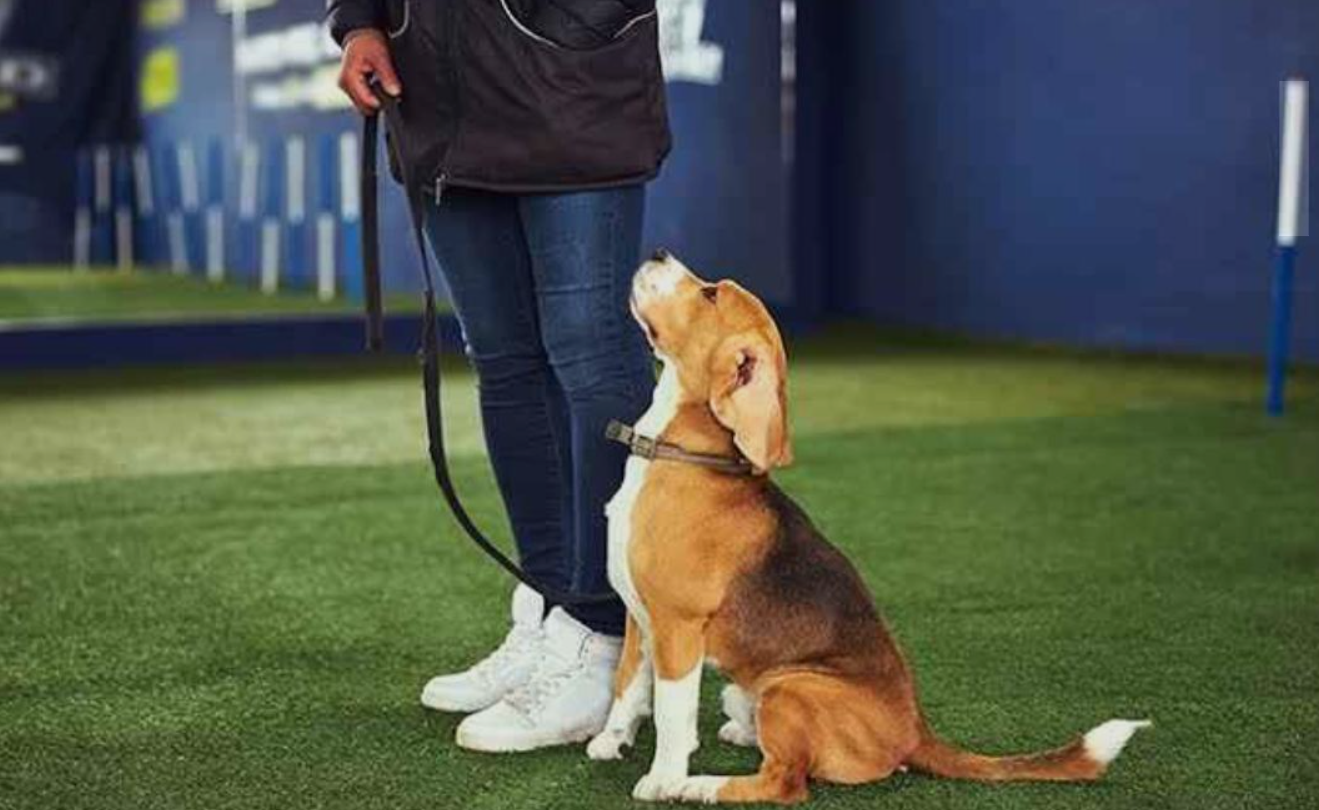
Training is one of the most essential aspects of responsible pet ownership. Proper training teaches pets how to behave, communicate, and respond positively in different situations.
Benefits of Pet Training
Pet training offers several important benefits:
- Improves communication between pets and owners
- Encourages discipline and obedience
- Reduces unwanted behaviors
- Strengthens the emotional bond
- Improves safety during outdoor activities
- Reduces anxiety and aggression
- Helps pets socialize better
- Creates a peaceful home environment
Training not only benefits pets but also makes daily life easier and more enjoyable for pet owners.
Understanding Pet Behavior
Understanding Pet Behavior | Complete Pet Behavior Guide by Dogi Planet
Learn everything about understanding pet behavior, including dog body language, emotional signals, aggression, anxiety, barking, training, and socialization tips. Discover expert pet behavior insights by Dogi Planet.Before beginning any training program, it is important to understand why pets behave in certain ways.
Understanding Pet Behavior: The Complete Guide for Pet Owners
Understanding Pet Behavior
Complete Pet Behavior Guide by Dogi PlanetLearn everything about understanding pet behavior, including dog body language, emotional signals, aggression, anxiety, barking, training, and socialization tips. Discover expert pet behavior insights by Dogi Planet
Understanding Pet Behavior
Understanding pet behavior is one of the most important aspects of responsible pet ownership. Pets communicate through body language, vocal sounds, facial expressions, and behavior patterns. By learning how pets think, react, and communicate, pet owners can build stronger relationships, improve training results, and create a happier environment for their furry companions.
At Dogi Planet, we believe that understanding pet behavior helps owners respond to their pets with patience, care, and confidence. Whether you have a playful puppy, an anxious rescue dog, or a senior companion, recognizing behavioral signals can improve communication and prevent many common issues.
This complete guide explains everything you need to know about pet behavior, including emotional signs, behavioral problems, training methods, socialization, and tips to improve your pet’s mental and emotional well-being.
Why Understanding Pet Behavior Is Important
Pets cannot communicate with words, so they rely on actions and body language to express their emotions and needs. Understanding these signals helps pet owners provide better care and avoid misunderstandings.
Benefits of Understanding Pet Behavior
Learning about pet behavior can help:
- Improve communication with pets
- Strengthen trust and bonding
- Prevent aggressive behavior
- Reduce stress and anxiety
- Improve training success
- Recognize health problems early
- Create a safer environment
- Support emotional well-being
When owners understand their pets properly, daily life becomes easier and more enjoyable for both pets and families.
How Pets Communicate
Pets communicate through different forms of behavior and body language.
Body Language
Body posture often reflects a pet’s emotional state.
Relaxed Body Language
A relaxed pet usually shows:
- Loose muscles
- Wagging tail
- Calm eyes
- Relaxed ears
This indicates comfort and happiness.
Fearful Body Language
A fearful pet may display:
- Tucked tail
- Flattened ears
- Trembling
- Avoiding eye contact
Fearful pets need patience and reassurance.
Aggressive Body Language
Signs of aggression include:
- Growling
- Raised fur
- Stiff posture
- Showing teeth
Aggressive behavior should be addressed carefully and professionally if necessary.
Aggressive Body Language in Pets: Signs, Causes, and Prevention Guide
Aggressive Body Language in Pets
Understanding aggressive body language in pets is essential for every pet owner. Pets communicate their emotions through posture, facial expressions, tail movement, vocal sounds, and behavior. Recognizing the warning signs of aggression early can help prevent accidents, reduce stress, and improve the relationship between pets and owners.
At Dogi Planet, we believe that understanding pet behavior is the key to creating a safe, happy, and healthy environment for both pets and families. Aggressive body language is often a pet’s way of expressing fear, discomfort, anxiety, territorial instincts, or frustration. By learning to identify these signals, pet owners can respond calmly and appropriately before aggression escalates.
This complete guide explains aggressive body language in pets, common causes of aggression, warning signs, prevention strategies, training techniques, and tips to improve pet behavior safely and effectively.
Aggressive Body Language in Pets: Signs, Causes, and Prevention Guide
Understanding aggressive body language in pets can help prevent bites, fights, and stress-related behavior problems. Dogs and cats often communicate discomfort or fear long before they become aggressive.
Common Signs of Aggression in Dogs
Facial Expressions & Posture
- Stiff body posture
- Direct staring
- Wrinkled muzzle
- Bared teeth
- Raised hackles (fur along the back)
- Ears pinned back or forward rigidly
- Tail held high and stiff or tucked tightly
Aggressive Body Language in Pets
Understanding aggressive body language in pets is essential for every pet owner. Pets communicate their emotions through posture, facial expressions, tail movement, vocal sounds, and behavior. Recognizing the warning signs of aggression early can help prevent accidents, reduce stress, and improve the relationship between pets and owners.
At Dogi Planet, we believe that understanding pet behavior is the key to creating a safe, happy, and healthy environment for both pets and families. Aggressive body language is often a pet’s way of expressing fear, discomfort, anxiety, territorial instincts, or frustration. By learning to identify these signals, pet owners can respond calmly and appropriately before aggression escalates.
This complete guide explains aggressive body language in pets, common causes of aggression, warning signs, prevention strategies, training techniques, and tips to improve pet behavior safely and effectively.
What Is Aggressive Body Language in Pets?
Aggressive body language refers to physical and behavioral signals that indicate a pet feels threatened, fearful, defensive, or ready to attack. Pets usually show several warning signs before becoming physically aggressive.
Aggression is not always a sign of a “bad” pet. In many cases, aggressive behavior develops because pets are scared, stressed, confused, protective, or lacking proper training and socialization.
Understanding these signals can help owners:
- Prevent bites or injuries
- Improve communication with pets
- Reduce fear and anxiety
- Build trust and confidence
- Create a safer home environment
Recognizing aggression early is one of the most important skills in responsible pet ownership.
Common Signs of Aggressive Body Language
Pets often display clear physical signs before aggressive actions occur.
Stiff Body Posture
A tense or rigid body is one of the most common signs of aggression.
What It Looks Like
- Tight muscles
- Frozen posture
- Leaning forward
- Sudden stillness
A stiff posture often means the pet is alert, uncomfortable, or preparing to react defensively.
Raised Fur or Hackles
Raised fur along the neck or back is another warning sign.
Why It Happens
Raised hackles occur when a pet becomes:
- Fearful
- Excited
- Defensive
- Highly alert
This response is caused by adrenaline and emotional arousal.
Growling and Snarling
Growling is a vocal warning signal that should never be ignored.
What Growling Means
Pets may growl because they:
- Feel threatened
- Want space
- Are protecting resources
- Feel anxious or uncomfortable
Growling is communication, not bad behavior. Punishing growling may suppress warning signals and increase bite risk.
Showing Teeth
Displaying teeth is a clear indication of discomfort or aggression.
Signs Include
- Lip lifting
- Wrinkled muzzle
- Exposed teeth
- Snapping motions
This behavior usually signals that the pet wants distance or feels threatened.
Direct Staring
A hard, fixed stare can indicate tension or dominance.
Why It Matters
Direct eye contact may signal:
- Defensive behavior
- Territorial instincts
- Potential aggression
Some pets perceive prolonged staring as a challenge.
Tail Position and Movement
Tail language reveals emotional states.
Aggressive Tail Signals
High and Stiff Tail
May indicate dominance or alertness.
Fast, Tight Wagging
Not all wagging means happiness. A stiff wag may indicate tension.
Tucked Tail with Aggression
Fearful pets may show defensive aggression while tucking the tail.
Understanding tail behavior helps owners recognize emotional changes quickly.
Flattened or Forward Ears
Ear position can indicate emotional state.
Ear Signals in Aggression
Ears Pinned Back
Often linked to fear or defensive aggression.
Ears Forward and Rigid
May signal alertness or dominance.
Observing ear movement alongside other body signals improves behavior interpretation.
Lunging and Snapping
Lunging or snapping usually occurs when warning signs have been ignored.
Why Pets Lunge
Pets may lunge due to:
- Fear
- Territorial behavior
- Anxiety
- Frustration
- Overstimulation
Professional training may be needed for repeated aggressive reactions.
Common Causes of Aggressive Behavior in Pets
Aggression often develops because of emotional or environmental factors.
Fear-Based Aggression
Fear is one of the most common causes of aggression.
Triggers for Fear Aggression
- Loud noises
- Strangers
- Pain
- Past trauma
- Sudden movements
Fearful pets may attack defensively if they feel trapped or threatened.
Territorial Aggression
Some pets become protective of their space.
Common Territorial Behaviors
- Barking at strangers
- Guarding the house
- Aggressive reactions near doors or windows
Territorial instincts are natural but should be managed through training.
Resource Guarding
Pets may guard items they consider valuable.
Common Guarded Resources
- Food
- Toys
- Beds
- Owners
Signs include growling, stiff posture, or snapping when approached.
Pain-Induced Aggression
Pets experiencing pain may become defensive or irritable.
Medical Conditions Linked to Aggression
- Arthritis
- Injuries
- Dental pain
- Neurological problems
Sudden aggression should always be evaluated by a veterinarian.
Lack of Socialization
Poor socialization may increase fear and aggression.
Why Socialization Matters
Socialized pets are more comfortable around:
- New people
- Animals
- Sounds
- Environments
Early exposure reduces anxiety and improves confidence.
Frustration Aggression
Pets may become aggressive when overly excited or restrained.
Examples Include
- Leash frustration
- Barrier frustration
- Overstimulation during play
Training and impulse control exercises help reduce frustration-based behavior.
Understanding Defensive Aggression
Defensive aggression occurs when pets feel they cannot escape danger.
Common Signs
- Backing away
- Growling
- Tucked tail
- Snapping if approached further
Defensive pets need calm handling and space.
How to Respond to Aggressive Body Language
Proper reactions can prevent escalation.
Stay Calm
Avoid yelling or sudden movements.
Give Space
Allow the pet to move away safely.
Avoid Punishment
Punishment may increase fear and aggression.
Observe Triggers
Identify situations causing stress.
Use Positive Reinforcement
Reward calm and relaxed behavior.
Understanding emotional triggers improves behavior management.
Importance of Positive Reinforcement Training
Positive reinforcement is one of the safest and most effective training methods.
How It Works
Pets are rewarded for desired behavior using:
- Treats
- Praise
- Toys
- Affection
Benefits of Positive Reinforcement
- Builds trust
- Reduces fear
- Improves learning
- Encourages confidence
Harsh correction methods often worsen aggression problems.
Socialization and Aggression Prevention
Proper socialization reduces fear-based reactions.
Socialization Tips
- Introduce new experiences gradually
- Use rewards during interactions
- Keep experiences positive
- Avoid overwhelming situations
Puppies benefit most from early socialization training.
Exercise and Mental Stimulation
Bored or under-exercised pets may develop behavioral issues.
Benefits of Exercise
- Reduces stress
- Prevents frustration
- Improves mood
- Reduces hyperactivity
Mental Enrichment Activities
- Puzzle toys
- Obedience training
- Scent games
- Interactive toys
Mental stimulation improves emotional balance.
Common Mistakes Owners Make
Many owners unintentionally worsen aggressive behavior.
Punishing Warning Signs
Suppressing growling removes important communication signals.
Ignoring Stress Signals
Early warning signs should never be dismissed.
Inconsistent Training
Mixed messages confuse pets.
Forcing Interactions
Fearful pets should never be forced into uncomfortable situations.
Patience and consistency are essential.
Aggression in Puppies
Puppies may display aggressive-looking behaviors during development.
Common Puppy Behaviors
- Play biting
- Growling during play
- Resource guarding toys
Importance of Early Training
Teaching puppies proper social behavior early prevents future problems.
Positive reinforcement and supervised socialization are highly effective.
Aggression in Senior Pets
Older pets may become aggressive due to discomfort or confusion.
Causes of Senior Aggression
- Pain
- Hearing loss
- Cognitive decline
- Reduced vision
Senior pets need gentle handling and regular veterinary care.
When to Seek Professional Help
Some aggression cases require expert guidance.
Signs You Need Professional Support
- Repeated biting attempts
- Severe fear reactions
- Resource guarding escalation
- Aggression toward family members
- Unpredictable behavior
Professional trainers and behavior specialists can create safe behavior modification plans.
The Role of Veterinary Care
Medical conditions can contribute to aggression.
Why Veterinary Exams Matter
Health evaluations help identify:
- Pain-related aggression
- Hormonal issues
- Neurological conditions
- Illness-related behavioral changes
Treating underlying medical issues often improves behavior.
Tips for Preventing Aggressive Behavior
Prevention is always better than correction.
Prevention Strategies
- Start socialization early
- Use positive reinforcement
- Maintain routines
- Provide daily exercise
- Avoid harsh punishment
- Respect pet boundaries
- Encourage mental stimulation
Consistent care and understanding reduce aggression risk significantly.
Importance of Understanding Pet Emotions
Aggressive body language often reflects emotional distress.
Pets Need
- Safety
- Trust
- Predictability
- Exercise
- Positive interactions
Understanding emotional needs improves overall pet wellness.
Future Trends in Pet Behavior Training
Modern pet care focuses more on emotional health and humane training.
Emerging Trends
Fear-Free Training
Training methods focused on reducing stress.
Behavior Monitoring Technology
Smart devices track stress and behavior patterns.
Personalized Training Plans
Customized behavior solutions based on breed and personality.
The future of pet care prioritizes emotional balance and positive learning experiences.
Why Understanding Aggressive Body Language Matters
Recognizing aggressive body language helps prevent injuries, reduce fear, and strengthen the relationship between pets and owners. Aggression is often a form of communication, not simply bad behavior.
By learning to understand warning signs, emotional triggers, and behavioral patterns, owners can create a safer and more supportive environment for their pets.
At Dogi Planet, we believe that compassion, patience, training, and proper socialization are essential for raising emotionally balanced and confident pets.
Conclusion
Aggressive body language in pets is an important form of communication that every pet owner should understand. Signs such as stiff posture, growling, raised fur, staring, lunging, and showing teeth often indicate fear, stress, discomfort, or defensive behavior. Recognizing these signals early helps prevent dangerous situations and improves communication between pets and owners.
At Dogi Planet, we encourage pet owners to approach aggressive behavior with patience, understanding, and positive reinforcement rather than punishment. Proper socialization, regular exercise, mental stimulation, veterinary care, and professional training all play a major role in reducing aggression and improving emotional well-being.
Every pet deserves to feel safe, understood, and supported. With the right training methods and compassionate care, aggressive behavior can often be managed successfully, leading to a healthier, happier, and more trusting relationship between pets and their families.
Understanding Dog Tail Movements
Tail movements reveal important emotional signals.
Wagging Tail
A wagging tail does not always mean happiness. Different tail movements indicate different emotions.
Fast Wagging
Usually indicates excitement or happiness.
Slow Wagging
May indicate uncertainty or caution.
Tucked Tail
Often signals fear or anxiety.
High Tail Position
Can suggest confidence or alertness.
Learning to interpret tail language improves communication with pets.
Understanding Pet Vocalizations
Pets use sounds to express emotions and needs.
Pets communicate constantly through sounds, tone, pitch, and repetition. Learning to interpret these vocalizations helps owners understand their pet’s emotions, needs, and stress levels more accurately.
Understanding Pet Vocalizations
Pets communicate constantly through sounds, tone, pitch, and repetition. Learning to interpret these vocalizations helps owners understand their pet’s emotions, needs, and stress levels more accurately.
Dog Vocalizations and Their Meanings
Barking
Dogs bark for many reasons:
- Alerting to strangers
- Excitement
- Attention-seeking
- Fear or anxiety
- Boredom
Types of Barks
- Rapid repetitive barking: alert or alarm
- High-pitched bark: excitement or playfulness
- Low deep bark: warning or protective behavior
- Short single bark: greeting or acknowledgment


Growling
Growling is usually a warning signal.
It may indicate:
- Fear
- Territorial behavior
- Possessiveness
- Pain
- Discomfort during handling
Not all growling is aggressive — dogs may also growl during play.
Important:
Never punish growling directly. It is valuable communication that warns before escalation.
Whining
Whining often signals:
- Anxiety
- Stress
- Excitement
- Attention-seeking
- Physical discomfort
Common situations include:
- Separation anxiety
- Waiting for food or walks
- Vet visits
- New environments


Howling
Dogs may howl:
- In response to sirens or sounds
- To communicate with other dogs
- Due to loneliness
- Because of breed instincts
Breeds like Huskies and Beagles vocalize more naturally.
Cat Vocalizations and Their Meanings
Meowing
Cats primarily meow to communicate with humans.
Different Meows
- Short meow: greeting
- Repeated meows: excitement or demand
- Long drawn-out meow: complaint or urgency
- Soft meow: affection or attention-seeking


Purring
Purring commonly indicates:
- Relaxation
- Comfort
- Affection
However, cats may also purr when:
- Injured
- Sick
- Stressed
as a self-soothing mechanism.
Hissing & Growling
These are defensive warning sounds.
Cats hiss or growl when:
- Frightened
- Threatened
- Overstimulated
- Protecting territory
A hissing cat usually wants distance and space.


Bird Vocalizations
Pet birds use sounds to communicate:
- Happiness
- Fear
- Attention-seeking
- Mimicking learned sounds
Common Bird Sounds
- Chirping → contentment
- Loud screeching → stress, boredom, or excitement
- Mimicking words → social bonding and intelligence


Why Understanding Vocalizations Matters
Recognizing vocal patterns helps owners:
- Detect stress early
- Prevent aggression
- Improve training
- Strengthen bonding
- Identify illness or discomfort sooner
Sudden changes in vocal behavior can sometimes indicate medical issues and should not be ignored.
Tips for Responding to Pet Vocalizations
Observe Context
Look at:
- Body language
- Environment
- Timing
- Triggers
Reward Calm Communication
Reinforce calm behavior instead of reacting only to loud vocalizations.
Avoid Punishing Communication
Punishment may increase fear and anxiety while suppressing warning signals.
Maintain Routine
Consistent feeding, walks, playtime, and sleep schedules reduce stress-related vocalizations.
Key Takeaway
Pet vocalizations are a form of emotional communication. By understanding tone, frequency, and accompanying body language, owners can better meet their pets’ emotional and physical needs while building a stronger, safer relationship.
Barking
Dogs bark for various reasons:
- Excitement
- Fear
- Alertness
- Attention-seeking
- Boredom
Understanding the cause of barking helps owners respond appropriately.
Growling
Growling is usually a warning signal that a pet feels uncomfortable or threatened.
Whining
Whining may indicate:
- Anxiety
- Pain
- Stress
- Desire for attention
Howling
Some breeds naturally howl more than others. Howling may occur due to loneliness or environmental sounds.
Common Pet Behavioral Problems
Behavioral issues are common among pets, especially when their physical or emotional needs are not fully met.
Separation Anxiety in Pets
Separation anxiety occurs when pets become distressed when left alone.
Signs of Separation Anxiety
- Excessive barking
- Destructive chewing
- Scratching doors
- Pacing
- Indoor accidents
Causes of Separation Anxiety
- Lack of socialization
- Sudden routine changes
- Past trauma
- Over-dependence on owners
Managing Separation Anxiety
- Gradual alone-time training
- Interactive toys
- Consistent routines
- Professional behavioral training
Pets with severe anxiety may require expert support.
Aggressive Behavior in Pets
Aggression can be caused by fear, territorial instincts, pain, or poor socialization.
Types of Aggression
Fear Aggression
Occurs when pets feel threatened.
Territorial Aggression
Pets may guard their home or belongings.
Protective Aggression
Some pets become protective of owners or family members.
Resource Guarding
Pets may guard food, toys, or beds.
How to Reduce Aggression
- Use positive reinforcement
- Avoid punishment
- Improve socialization
- Identify triggers
- Consult professional trainers
Understanding the cause of aggression is essential for effective behavior management.
Destructive Chewing Behavior
Chewing is natural for dogs, especially puppies.
Reasons Pets Chew
- Teething
- Boredom
- Anxiety
- Lack of exercise
Preventing Destructive Chewing
- Provide chew toys
- Increase exercise
- Use mental stimulation games
- Redirect unwanted chewing behavior
Interactive toys can significantly reduce destructive habits.
Excessive Barking in Dogs
Barking is normal, but excessive barking can become problematic.
Common Causes of Excessive Barking
- Loneliness
- Fear
- Excitement
- Territorial instincts
- Lack of stimulation
How to Control Excessive Barking
- Identify triggers
- Reward quiet behavior
- Increase exercise
- Use training commands
- Avoid yelling
Consistency is important when correcting barking behavior.
Importance of Socialization
Socialization is essential for healthy emotional development.
What Is Pet Socialization?
Socialization involves exposing pets to:
- People
- Other animals
- Sounds
- New environments
- Different situations
Proper socialization reduces fear and aggression.
Benefits of Socialization
Socialized pets are usually:
- More confident
- Less anxious
- Better behaved
- Friendlier with strangers and pets
Early socialization is especially important for puppies.
Understanding Puppy Behavior
Puppies are naturally curious and energetic.
Common Puppy Behaviors
- Chewing
- Jumping
- Nipping
- Barking
- Hyperactivity
Why Puppy Training Matters
Early training helps puppies learn:
- House rules
- Basic commands
- Social behavior
- Confidence
Positive experiences during puppyhood shape adult behavior.
Positive Reinforcement Training
Positive reinforcement is one of the most effective ways to improve pet behavior.
What Is Positive Reinforcement?
Pets receive rewards for good behavior.
Common Rewards Include
- Treats
- Praise
- Toys
- Affection
Benefits of Positive Reinforcement
- Builds trust
- Encourages learning
- Reduces fear
- Strengthens relationships
Punishment-based methods may create stress and anxiety.
Understanding Fear and Anxiety in Pets
Fearful pets may struggle with confidence and emotional stability.
Signs of Anxiety
- Trembling
- Pacing
- Excessive licking
- Hiding
- Panting
Common Anxiety Triggers
- Loud noises
- Separation
- New environments
- Lack of routine
Managing Anxiety
- Create safe spaces
- Use calming routines
- Provide exercise
- Use mental stimulation
- Seek professional support if needed
Calm and patient handling helps anxious pets feel secure.
Importance of Exercise for Pet Behavior
Exercise directly affects pet behavior and mental health.
Benefits of Daily Exercise
- Reduces boredom
- Prevents obesity
- Improves mood
- Reduces hyperactivity
- Supports better sleep
Fun Exercise Activities
- Walking
- Fetch
- Swimming
- Running
- Agility games
Well-exercised pets are generally calmer and easier to manage.
Mental Stimulation for Pets
Mental stimulation is just as important as physical exercise.
Benefits of Mental Enrichment
- Reduces boredom
- Improves intelligence
- Prevents destructive behavior
- Supports emotional health
Mental Stimulation Activities
- Puzzle toys
- Training sessions
- Hide-and-seek games
- Scent games
Intelligent breeds especially benefit from regular mental challenges.
Understanding Senior Pet Behavior
Older pets may experience behavioral changes due to aging.
Common Senior Pet Behaviors
- Reduced energy
- Increased sleep
- Confusion
- Anxiety
- Hearing or vision loss
Supporting Senior Pets
- Maintain routines
- Provide comfortable bedding
- Use gentle training methods
- Schedule regular vet visits
Patience and understanding are important for aging pets.
The Connection Between Health and Behavior
Behavior changes can sometimes indicate health problems.
Medical Issues That Affect Behavior
- Pain
- Digestive discomfort
- Hormonal imbalance
- Neurological conditions
- Hearing loss
Sudden behavior changes should always be discussed with a veterinarian.
Common Mistakes Pet Owners Make
Many owners unintentionally reinforce unwanted behaviors.
Inconsistent Rules
Changing expectations confuses pets.
Lack of Exercise
Bored pets often become destructive.
Ignoring Early Warning Signs
Behavioral problems are easier to manage early.
Punishment-Based Training
Harsh methods may increase fear and aggression.
Lack of Socialization
Unsocialized pets may develop anxiety or fear-based behavior.
Consistency and patience are key to long-term success.
Tips for Improving Pet Behavior
Improving pet behavior requires commitment and understanding.
Effective Behavior Tips
- Use positive reinforcement
- Maintain routines
- Provide daily exercise
- Encourage socialization
- Use interactive toys
- Reward calm behavior
- Be patient and consistent
Behavioral improvement takes time, especially for anxious or rescued pets.
Professional Pet Behavior Training
Professional trainers can help address serious behavioral issues.
Benefits of Professional Training
- Personalized behavior plans
- Faster learning
- Expert guidance
- Better communication techniques
- Reduced stress for owners and pets
At Dogi Planet, professional training support helps pets develop healthier behaviors and stronger emotional balance.
Why Understanding Pet Behavior Improves Pet Wellness
Behavior is closely connected to emotional and physical health.
Healthy Behavior Indicates
- Emotional stability
- Proper socialization
- Good physical health
- Reduced stress levels
- Better confidence
Understanding behavior allows owners to respond compassionately and effectively.
Future Trends in Pet Behavior and Training
The pet care industry continues to evolve rapidly.
Emerging Trends
Online Pet Training
Virtual training sessions provide convenience.
AI Pet Monitoring
Smart devices track behavior and emotional patterns.
Personalized Behavioral Plans
Customized approaches improve training results.
Mental Wellness Focus
More owners are prioritizing emotional health for pets.
Modern pet care focuses on both physical and emotional well-being.
Conclusion
Understanding pet behavior is essential for building a strong, healthy, and loving relationship with your furry companion. Pets communicate constantly through body language, vocal sounds, and daily behavior patterns. By learning to recognize these signals, pet owners can respond more effectively to their pets’ emotional and physical needs.
At Dogi Planet, we believe that patience, positive reinforcement, proper training, exercise, and socialization are the keys to raising confident and well-behaved pets. Whether dealing with anxiety, barking, aggression, chewing, or socialization challenges, understanding the root causes of behavior helps create lasting improvements.
A happy pet is one that feels safe, understood, mentally stimulated, and emotionally connected to its family. With proper care, training, and attention, every pet can thrive and enjoy a healthier, happier life.
Common Reasons for Behavioral Problems
Pets may develop unwanted behaviors due to:
- Fear or anxiety
- Lack of exercise
- Insufficient mental stimulation
- Poor socialization
- Inconsistent training
- Loneliness or boredom
- Lack of routine
Understanding the root cause of behavioral issues helps trainers and pet owners choose the right solutions.
Common Pet Behavioral Problems
Many pet owners struggle with common behavioral challenges.
Excessive Barking
Dogs bark naturally, but excessive barking may indicate boredom, fear, or attention-seeking behavior.
Aggression
Aggression may occur due to fear, territorial instincts, or lack of socialization.
Chewing Furniture
Puppies often chew during teething, while older dogs may chew out of boredom or stress.
Separation Anxiety
Some pets become anxious when left alone for long periods.
Pulling on the Leash
Leash pulling is common among energetic or untrained dogs.
Jumping on People
Dogs often jump to seek attention or express excitement.
Professional trainers can help manage and correct these issues effectively.
Types of Pet Training
Different pets require different training approaches based on age, breed, personality, and lifestyle.
Obedience Training
Obedience training teaches basic commands that improve discipline and communication.
Common Commands Include
- Sit
- Stay
- Come
- Heel
- Down
- Leave it
Obedience training forms the foundation for all advanced learning.
Puppy Training
Puppies learn quickly during their early months, making this the best time to start training.
Puppy Training Includes
- Potty training
- Crate training
- Bite inhibition
- Socialization
- Basic obedience
Early training helps puppies grow into confident and well-behaved adult dogs.
Behavioral Training
Behavioral training focuses on correcting specific unwanted behaviors.
Behavioral Issues Addressed
- Anxiety
- Aggression
- Fearfulness
- Excessive barking
- Hyperactivity
Behavioral training often requires patience, consistency, and professional guidance.
Leash Training
Leash training teaches pets to walk calmly without pulling.
Benefits of Leash Training
- Safer walks
- Better control
- Reduced stress
- Improved outdoor experiences
Leash training also helps pets become more comfortable in public spaces.
Advanced Training Programs
Advanced training is ideal for highly active or intelligent dogs.
Advanced Training Options
- Agility training
- Therapy dog training
- Service dog preparation
- Guard dog training
- Trick training
These activities provide mental stimulation and improve confidence.
Positive Reinforcement Training
Positive reinforcement is considered one of the most effective training methods.
What Is Positive Reinforcement?
Pets are rewarded for good behavior using:
- Treats
- Praise
- Toys
- Affection
This encourages pets to repeat desired behaviors.
Benefits of Positive Reinforcement
- Builds trust
- Reduces fear
- Strengthens learning
- Improves motivation
- Creates a positive experience
At Dogi Planet, positive reinforcement techniques are prioritized to ensure healthy emotional development.
Trainer Availability at Dogi Planet
One of the biggest challenges for pet owners is finding reliable and experienced pet trainers. Dogi Planet makes trainer availability simple and convenient.
Why Professional Trainers Matter
Professional trainers help:
- Identify behavioral issues
- Create personalized training plans
- Improve obedience faster
- Guide pet owners effectively
- Reduce stress for pets and owners
Benefits of Easy Trainer Access
Easy trainer availability allows pet owners to:
- Schedule sessions conveniently
- Receive expert advice quickly
- Address behavioral problems early
- Maintain consistent progress
Dogi Planet focuses on making professional training accessible to every pet owner.
Essential Pet Training Accessories
The right accessories make training safer, easier, and more effective.
Dog Collars
Collars are one of the most basic and essential pet accessories.
Types of Dog Collars
Flat Collars
Ideal for everyday use.
Martingale Collars
Provide better control without choking.
Reflective Collars
Improve nighttime visibility.
GPS Collars
Help track pets during outdoor activities.
Choosing a comfortable and properly fitted collar is essential.
Dog Leashes
Leashes are necessary for safe walks and training.
Popular Leash Types
- Standard leash
- Retractable leash
- Training leash
- Hands-free leash
A durable leash improves safety and walking control.
Dog Harnesses
Harnesses are excellent alternatives to collars.
Benefits of Harnesses
- Better body support
- Reduced neck pressure
- Improved walking control
- Safer for small breeds and puppies
Harnesses are particularly useful for dogs that pull strongly during walks.
Crates and Kennels
Crates provide safety, comfort, and support during training.
Benefits of Crate Training
- Helps with house training
- Prevents destructive behavior
- Creates a secure resting area
- Reduces travel stress
Choosing the Right Crate
Look for crates that are:
- Spacious
- Durable
- Comfortable
- Easy to clean
Crates should always be introduced positively.
Training Treats and Reward Systems
Treats are powerful motivational tools during training sessions.
Ideal Training Treats
Training treats should be:
- Small
- Soft
- Nutritious
- Easy to digest
Healthy Reward Options
- Chicken treats
- Freeze-dried snacks
- Peanut butter bites
- Soft chew treats
Reward-based systems improve learning and engagement.
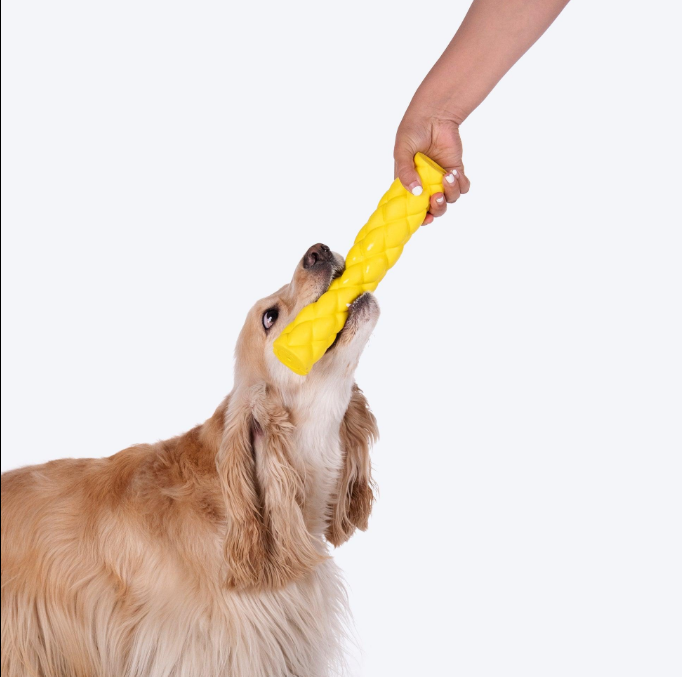
Interactive Pet Toys
Toys are important for both training and mental stimulation.
Benefits of Interactive Toys
- Reduce boredom
- Improve problem-solving skills
- Prevent destructive behavior
- Encourage exercise
Popular Training Toys
- Puzzle toys
- Fetch balls
- Rope toys
- Treat dispensers
- Chew toys
Interactive toys help pets stay physically and mentally active.
Grooming Accessories for Pets
Grooming is essential for hygiene and overall health.
Must-Have Grooming Products
Brushes and Combs
Help remove loose fur and maintain coat health.
Nail Clippers
Prevent overgrown nails and discomfort.
Pet Shampoo
Keeps skin and fur clean.
Ear Cleaning Products
Help prevent ear infections.
Dental Care Tools
Support healthy teeth and fresh breath.
Regular grooming also strengthens trust between pets and owners.
Feeding Accessories for Pets
Feeding accessories improve convenience and hygiene.
Essential Feeding Products
Food Bowls
Available in ceramic, stainless steel, and slow-feeder designs.
Water Fountains
Encourage hydration.
Automatic Feeders
Help maintain feeding schedules.
Travel Bowls
Useful during trips and outdoor activities.
Clean feeding equipment helps maintain better health.
Comfortable Pet Beds and Furniture
Comfortable resting spaces are essential for pet wellness.
Benefits of Quality Pet Beds
- Better sleep quality
- Joint support
- Reduced anxiety
- Improved comfort
Types of Pet Beds
- Orthopedic beds
- Memory foam beds
- Cooling mats
- Donut beds
- Elevated beds
Senior pets especially benefit from supportive bedding.
Smart Pet Accessories
Technology has transformed modern pet care.
Popular Smart Pet Products
GPS Trackers
Help monitor pets during outdoor adventures.
Smart Cameras
Allow owners to monitor pets remotely.
Automatic Feeders
Ensure pets receive meals on time.
Health Monitoring Devices
Track activity levels and health patterns.
Smart Toys
Keep pets entertained and mentally stimulated.
Smart technology provides greater convenience and peace of mind.
Pet Safety Accessories
Safety products help protect pets at home and outdoors.
Important Safety Products
- Reflective gear
- ID tags
- Seat belt harnesses
- Pet gates
- Travel carriers
Safety accessories reduce the risk of accidents and injuries.
Importance of Socialization
Socialization is a key part of pet development.
Benefits of Socialization
Socialized pets are usually:
- More confident
- Less fearful
- Friendlier with people and animals
- Easier to manage in public
Socialization Tips
- Introduce new environments gradually
- Encourage positive interactions
- Reward calm behavior
Professional trainers can help guide safe and effective socialization.
Common Pet Training Mistakes
Many owners unknowingly make mistakes during training.
Inconsistent Rules
Changing commands or routines confuses pets.
Punishment-Based Training
Harsh methods may cause fear and anxiety.
Lack of Patience
Training requires consistency and time.
Ignoring Exercise Needs
Unexercised pets often develop behavioral problems.
Delayed Rewards
Immediate rewards improve learning speed.
Avoiding these mistakes improves training success.
Importance of Exercise for Pets
Exercise is essential for both physical and mental health.
Benefits of Regular Exercise
- Prevents obesity
- Reduces stress
- Improves mood
- Encourages better behavior
- Strengthens muscles and joints
Fun Exercise Activities
- Walking
- Running
- Swimming
- Fetch games
- Agility training
Active pets are generally calmer and more obedient.
Choosing the Right Pet Trainer
Selecting a qualified trainer is important for long-term success.
Qualities of a Good Trainer
- Experience with different breeds
- Positive reinforcement techniques
- Strong communication skills
- Patience and understanding
- Customized training approaches
At Dogi Planet, trainers focus on humane and effective training methods.
Pet Training for Different Breeds
Different breeds have different personalities and learning styles.
Small Breeds
Small dogs may require extra socialization and barking control.
Large Breeds
Large dogs benefit from early obedience training and leash control.
Working Breeds
Working breeds require mental stimulation and advanced training activities.
Breed-specific training improves overall effectiveness.
Training Senior Pets
Older pets can still learn and benefit from training.
Senior Pet Training Tips
- Keep sessions short
- Use soft treats
- Focus on mental stimulation
- Avoid physically demanding exercises
Training helps senior pets stay mentally active and emotionally engaged.
Eco-Friendly Pet Accessories
Sustainability is becoming increasingly important in the pet industry.
Popular Eco-Friendly Products
- Recycled pet toys
- Organic grooming products
- Biodegradable waste bags
- Sustainable bedding
Environmentally conscious pet owners are choosing greener solutions.
The Future of Pet Training and Accessories
The pet care industry continues to evolve rapidly.
Emerging Trends
Online Training Programs
Virtual sessions provide flexibility and convenience.
AI-Based Pet Care
Smart systems monitor pet behavior and health.
Personalized Accessories
Customized products improve comfort and functionality.
Subscription Services
Monthly pet product deliveries are growing in popularity.
The future of pet care focuses on convenience, personalization, and technology.
Why Pet Owners Choose Dogi Planet
Dogi Planet is committed to helping pets and owners live healthier and happier lives.
Key Advantages of Dogi Planet
- Easy trainer availability
- Professional pet guidance
- High-quality accessories
- Reliable support
- Focus on pet wellness
The goal is to simplify pet parenting through trusted services and products.
Benefits of Combining Training with Accessories
The right accessories improve training outcomes significantly.
Examples
Harnesses + Leash Training
Improve walking behavior.
Puzzle Toys + Behavioral Training
Reduce boredom and anxiety.
Crates + House Training
Support potty training routines.
Treats + Positive Reinforcement
Encourage faster learning.
Combining tools with professional training creates the best long-term results.
Conclusion
Pet training and quality accessories are essential parts of responsible pet ownership. Proper training improves obedience, communication, confidence, and emotional well-being, while premium accessories provide comfort, safety, convenience, and mental stimulation.
At Dogi Planet, pet owners can easily access experienced trainers, effective training solutions, and high-quality pet accessories designed to support every stage of a pet’s life. From obedience programs and behavioral correction to smart pet products, grooming tools, feeding accessories, and interactive toys, Dogi Planet is dedicated to helping pets live healthier and happier lives.
Investing in training and the right accessories is not just about convenience—it is about building trust, improving behavior, and creating a stronger bond between pets and owners. With patience, consistency, expert guidance, and the right products, every pet can become a confident, disciplined, and joyful companion.
A trained pet is a happy pet, and a happy pet creates a happier home for everyone.
Pet Training & Accessories by Dogi Planet | Easy Trainer Availability & Pet Care Guide
Discover the ultimate guide to pet training and accessories by Dogi Planet. Learn about dog training methods, essential pet accessories, grooming tools, collars, leashes, toys, beds, feeding products, and easy trainer availability for healthier and happier pets.
Pets are more than just animals; they are beloved members of the family. Whether you have a playful puppy, an energetic adult dog, or a calm senior companion, proper training and the right accessories are essential for creating a healthy and happy relationship between pets and owners.
At Dogi Planet, we understand that pet parenting involves much more than feeding and grooming. Proper training helps pets develop discipline, confidence, and positive behavior, while high-quality accessories improve comfort, safety, entertainment, and daily care.
Modern pet owners are increasingly searching for professional pet training services, easy trainer availability, and reliable pet accessories that support their pet’s physical and emotional well-being. From collars and leashes to smart toys and obedience training, every aspect of pet care contributes to a better lifestyle for both pets and owners.
This complete guide explores everything you need to know about pet training, essential pet accessories, training techniques, grooming tools, behavior management, and how Dogi Planet makes pet training easier and more accessible.
Why Pet Training Is Important
Pet training is one of the most important parts of responsible pet ownership. Training helps pets understand commands, routines, boundaries, and acceptable behavior.
Benefits of Pet Training
Proper pet training offers many advantages:
- Improves communication between pets and owners
- Builds trust and confidence
- Reduces destructive behavior
- Improves safety indoors and outdoors
- Encourages socialization
- Makes travel and public outings easier
- Reduces anxiety and aggression
- Creates a disciplined lifestyle
Well-trained pets are generally happier, calmer, and easier to manage in daily life.
Understanding Pet Behavior
Before starting training, it is important to understand pet behavior and communication.
Why Pets Misbehave
Pets may display unwanted behavior due to:
- Lack of exercise
- Anxiety or stress
- Fear
- Boredom
- Lack of socialization
- Poor communication
- Inconsistent training
Understanding the cause of behavior helps owners choose the most effective training methods.
Common Behavioral Issues in Dogs
Some common issues include:
- Excessive barking
- Chewing furniture
- Jumping on people
- Aggression
- Pulling on the leash
- Separation anxiety
- Digging
- House-soiling
Professional trainers can help identify and correct these behaviors effectively.
Types of Pet Training
Different pets require different training approaches depending on age, breed, personality, and behavior.
Obedience Training
Obedience training teaches basic commands and discipline.
Common Commands
- Sit
- Stay
- Come
- Down
- Heel
- Leave it
Obedience training creates a strong foundation for good behavior.
Puppy Training
Puppy training focuses on early learning and socialization.
Puppy Training Includes
- Potty training
- Crate training
- Bite control
- Social interaction
- Basic commands
Early training helps puppies grow into confident adult dogs.
Behavioral Training
Behavioral training addresses specific problems such as:
- Aggression
- Anxiety
- Barking
- Fear
- Hyperactivity
Professional behavior trainers often use personalized techniques to improve emotional balance.
Leash Training
Leash training teaches pets to walk calmly without pulling or jumping.
Benefits of Leash Training
- Safer walks
- Better control
- Reduced stress
- Improved outdoor behavior
Advanced Training
Advanced training may include:
- Agility training
- Guard dog training
- Therapy dog preparation
- Service dog training
- Trick training
Advanced programs stimulate pets mentally and physically.
Positive Reinforcement Training
Positive reinforcement is one of the most effective and humane training methods.
How Positive Reinforcement Works
Pets are rewarded for good behavior using:
- Treats
- Praise
- Toys
- Affection
This method encourages pets to repeat positive actions.
Benefits of Positive Reinforcement
- Builds trust
- Reduces fear
- Improves learning speed
- Strengthens owner-pet bond
- Creates a positive experience
Punishment-based methods may cause anxiety and fear, making positive training a better long-term solution.
Easy Trainer Availability at Dogi Planet
Finding professional pet trainers can sometimes be difficult. At Dogi Planet, pet owners can easily access experienced trainers who understand pet psychology, obedience techniques, and behavioral correction.
Benefits of Professional Pet Trainers
Professional trainers help with:
- Customized training plans
- Faster behavior improvement
- Socialization guidance
- Advanced obedience skills
- Owner education
Why Easy Trainer Access Matters
Convenient trainer availability allows pet owners to:
- Get expert help quickly
- Solve behavioral problems early
- Schedule flexible sessions
- Improve training consistency
Dogi Planet focuses on making pet training simple, accessible, and stress-free for every pet owner.
Essential Pet Training Accessories
Training becomes more effective when paired with the right accessories.
Dog Collars
Collars are basic yet essential training tools.
Types of Dog Collars
- Flat collars
- Martingale collars
- Training collars
- Reflective collars
- GPS collars
A properly fitted collar improves safety and control.
Dog Leashes
Leashes are necessary for outdoor walks and leash training.
Popular Leash Types
- Standard leash
- Retractable leash
- Hands-free leash
- Training leash
Good leashes provide better control and comfort during walks.
Harnesses
Harnesses distribute pressure evenly and reduce neck strain.
Benefits of Harnesses
- Better control
- Reduced choking risk
- Ideal for puppies and small breeds
- Helpful for training
Harnesses are especially useful for dogs that pull excessively.
Pet Crates and Kennels
Crates are valuable tools for training and safety.
Benefits of Crate Training
- Helps with house training
- Provides a safe space
- Reduces anxiety
- Prevents destructive behavior
- Makes travel easier
Choosing the Right Crate
Look for crates that are:
- Comfortable
- Well-ventilated
- Durable
- Easy to clean
Crates should never be used as punishment.
Training Treats and Reward Systems
Rewards play a major role in pet training.
Best Training Treats
Good training treats should be:
- Small in size
- Nutritious
- Easy to chew
- Highly motivating
Healthy Reward Options
- Chicken bites
- Freeze-dried treats
- Peanut butter snacks
- Soft training treats
Using rewards consistently improves training success.
Interactive Pet Toys for Training
Toys provide both entertainment and mental stimulation.
Benefits of Interactive Toys
- Reduce boredom
- Improve intelligence
- Prevent destructive behavior
- Encourage physical activity
Popular Training Toys
- Puzzle toys
- Chew toys
- Fetch balls
- Tug ropes
- Treat-dispensing toys
Interactive accessories help pets stay mentally engaged.
Pet Grooming Accessories
Grooming is an important part of pet care and hygiene.
Essential Grooming Products
Brushes and Combs
Help remove loose fur and prevent matting.
Nail Clippers
Maintain healthy nails and prevent discomfort.
Pet Shampoo
Keeps the coat clean and healthy.
Ear Cleaning Tools
Help prevent infections.
Dental Care Products
Support oral hygiene and fresh breath.
Regular grooming also strengthens the bond between pets and owners.
Feeding Accessories for Pets
Proper feeding accessories improve hygiene and convenience.
Essential Feeding Products
Food Bowls
Available in stainless steel, ceramic, and slow-feeder designs.
Water Dispensers
Ensure pets stay hydrated.
Automatic Feeders
Help maintain consistent feeding schedules.
Travel Bowls
Useful during outdoor activities and travel.
Clean feeding accessories help reduce bacterial contamination.
Comfortable Pet Beds and Furniture
Comfort is important for every pet’s physical and emotional health.
Benefits of Quality Pet Beds
- Better sleep
- Joint support
- Reduced anxiety
- Improved comfort
Types of Pet Beds
- Orthopedic beds
- Donut beds
- Cooling mats
- Elevated beds
- Memory foam beds
Senior pets especially benefit from supportive bedding.
Smart Pet Accessories
Technology is transforming modern pet care.
Popular Smart Pet Products
GPS Trackers
Help locate pets quickly.
Smart Cameras
Allow owners to monitor pets remotely.
Automatic Feeders
Provide scheduled feeding.
Smart Toys
Keep pets mentally stimulated.
Health Monitoring Devices
Track activity and health patterns.
Smart accessories improve convenience and safety for pet owners.
Pet Safety Accessories
Safety should always be a priority.
Important Safety Products
- Seat belt harnesses
- Reflective collars
- ID tags
- Pet gates
- Travel carriers
These accessories help protect pets both indoors and outdoors.
Socialization and Training
Socialization is essential for well-behaved pets.
Why Socialization Matters
Socialized pets are generally:
- Less fearful
- More confident
- Better behaved around people and animals
- Less aggressive
Socialization Tips
- Introduce new environments gradually
- Encourage positive interactions
- Use rewards during social experiences
Professional trainers can guide owners through safe socialization techniques.
Common Pet Training Mistakes
Many owners unintentionally make mistakes during training.
Inconsistency
Changing rules confuses pets.
Punishment-Based Methods
Harsh punishment can create fear and anxiety.
Lack of Patience
Training requires consistency and time.
Ignoring Exercise Needs
Unexercised pets may become destructive.
Delayed Rewards
Immediate rewards improve learning effectiveness.
Avoiding these mistakes leads to better training outcomes.
Importance of Exercise in Training
Exercise plays a major role in pet behavior.
Benefits of Daily Exercise
- Reduces hyperactivity
- Prevents obesity
- Improves mental health
- Encourages better sleep
- Reduces anxiety
Exercise Activities
- Walking
- Fetch
- Agility games
- Swimming
- Running
Active pets are often easier to train and manage.
Choosing the Right Trainer for Your Pet
Selecting the right trainer is essential for successful learning.
Qualities of a Good Trainer
- Experience with different breeds
- Positive reinforcement methods
- Patience and communication skills
- Understanding of pet behavior
- Customized training plans
At Dogi Planet, trainers focus on compassionate and effective techniques that support long-term behavioral improvement.
How Dogi Planet Supports Pet Owners
Dogi Planet is dedicated to helping pets and owners enjoy healthier and happier lives.
Services Offered
- Easy trainer availability
- Pet behavior consultation
- Access to premium accessories
- Grooming support
- Nutrition guidance
- Training resources
The goal is to simplify pet parenting through professional support and quality products.
Benefits of Combining Training with Accessories
Using the right accessories enhances training success.
Examples
Harness + Leash Training
Improves walking behavior.
Puzzle Toys + Behavioral Training
Reduces boredom and anxiety.
Crate + House Training
Supports potty training routines.
Training Treats + Positive Reinforcement
Encourages faster learning.
Combining training tools with professional guidance creates the best results.
Pet Training for Different Dog Breeds
Different breeds have unique personalities and training needs.
Small Breeds
Often energetic and alert.
Focus Areas
- Barking control
- Socialization
- Leash behavior
Large Breeds
Require early obedience training.
Focus Areas
- Strength control
- Calm behavior
- Proper socialization
Working Breeds
Highly intelligent and active.
Focus Areas
- Mental stimulation
- Advanced commands
- Agility training
Breed-specific training improves effectiveness.
Training Senior Pets
Older pets can still learn new behaviors.
Senior Training Tips
- Use gentle methods
- Keep sessions short
- Provide comfortable accessories
- Use soft treats
- Focus on mental stimulation
Training helps senior pets stay mentally active and emotionally engaged.
The Future of Pet Training and Accessories
The pet care industry continues to evolve rapidly.
Emerging Trends
Online Pet Training
Virtual sessions offer flexibility and convenience.
AI-Based Pet Products
Smart devices monitor behavior and health.
Eco-Friendly Accessories
Sustainable products are becoming more popular.
Personalized Pet Care
Customized accessories and training plans improve pet wellness.
The future of pet care is focused on convenience, technology, and personalized experiences.
Why Pet Owners Trust Dogi Planet
Pet owners trust Dogi Planet because of its commitment to quality care, professional guidance, and accessible services.
Key Advantages
- Easy access to professional trainers
- High-quality accessories
- Expert pet care support
- Focus on pet wellness
- Reliable customer service
Dogi Planet aims to make pet parenting easier, safer, and more enjoyable for every family.
Conclusion
Pet training and accessories play a major role in creating a healthy, happy, and well-balanced life for pets. Proper training improves behavior, communication, confidence, and safety, while high-quality accessories provide comfort, convenience, and mental stimulation.
At Dogi Planet, pet owners can easily access professional trainers, effective training solutions, and premium pet accessories designed to improve the overall well-being of pets. From obedience training and behavioral support to grooming products, feeding accessories, toys, and smart pet technology, every aspect of pet care contributes to a stronger bond between pets and owners.
Investing in proper training and the right accessories is not just about discipline or convenience—it is about giving pets the care, comfort, and attention they deserve. With patience, consistency, and expert guidance from Dogi Planet, every pet can grow into a confident, healthy, and well-behaved companion.
A trained pet is a happier pet, and a happy pet creates a happier home.