


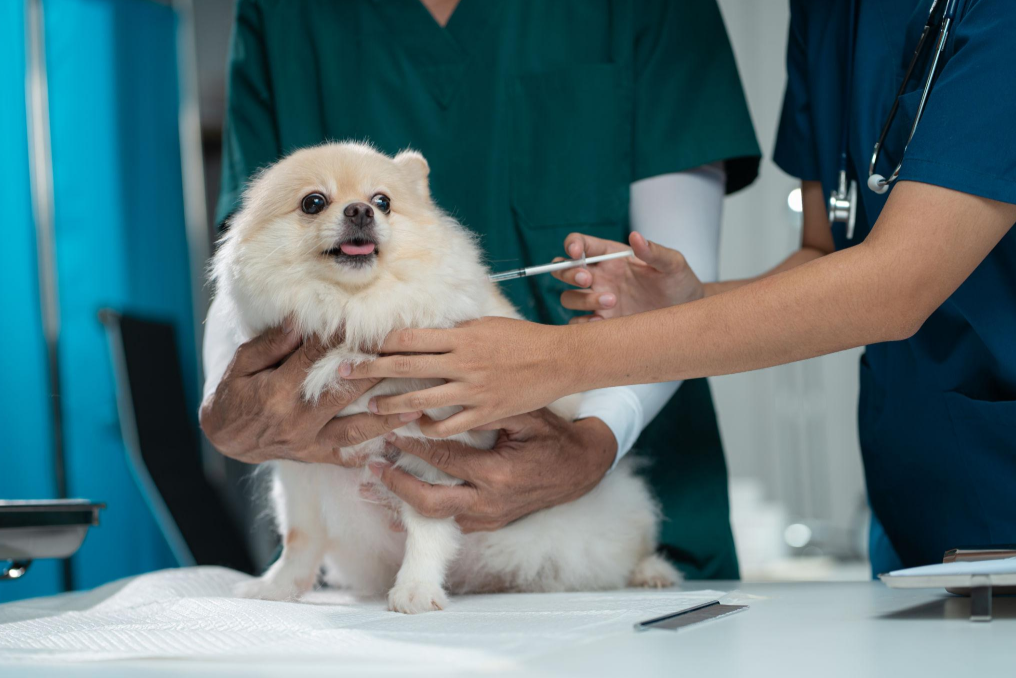
Professional Veterinary Services Near You for Dogs, Cats, Birds & Exotic Pets & also Veterinary Clinic Near Me – Trusted Pet Care for Healthy & Happy Pets
Looking for a reliable veterinary clinic near you? Veterinary Clinic Near Me – Trusted Pet Care for Healthy & Happy Pets Discover expert pet care services including vaccinations, surgery, emergency treatment, pet grooming, diagnostics, and wellness checkups from trusted veterinarians.
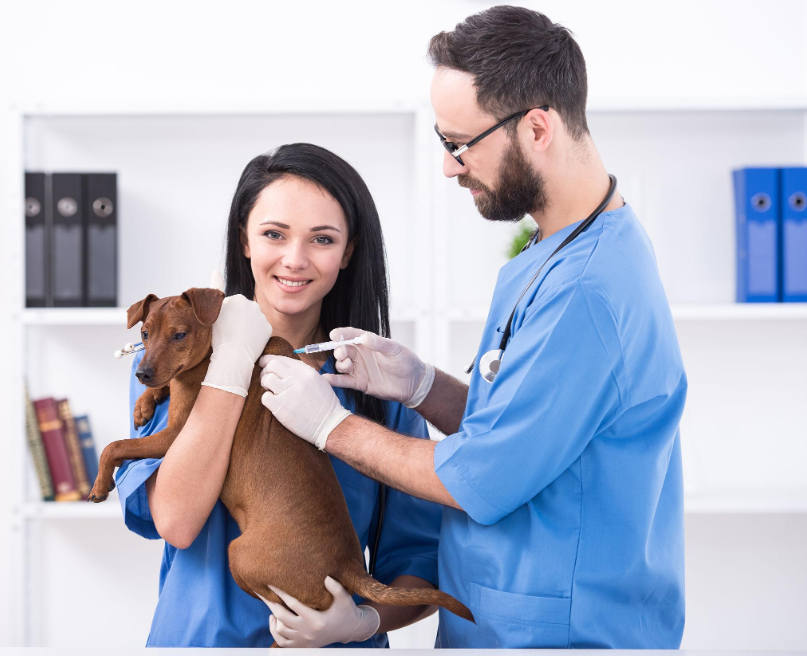
Veterinary Clinic Near Me – Complete Pet Healthcare Under One Roof
Pets are more than animals; they are beloved members of the family. Whether you own a playful puppy, a curious cat, a colorful bird, or an exotic pet, ensuring their health and happiness is a top priority. Searching for a “veterinary clinic near me” is often the first step pet owners take when they need professional healthcare, preventive care, emergency treatment, or expert guidance for their furry companions.
A trusted veterinary clinic offers comprehensive healthcare services that help pets live longer, healthier, and happier lives. From regular vaccinations and wellness checkups to surgeries and emergency care, modern veterinary clinics are equipped with advanced technology and experienced veterinarians who provide personalized treatment plans for every pet.
In this guide, we will explore everything you need to know about choosing the best veterinary clinic near you, the services they provide, the importance of preventive healthcare, emergency veterinary care, and how local veterinary clinics support responsible pet ownership.
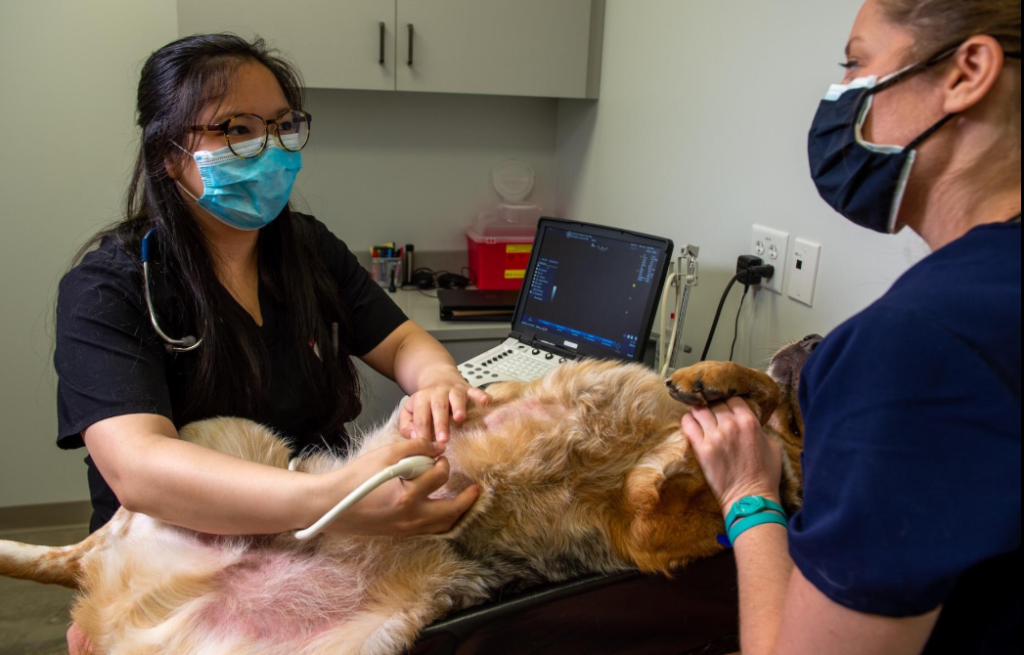
Why Choosing the Right Veterinary Clinic Matters
Finding the right veterinary clinic is essential for your pet’s long-term health. A professional clinic not only treats illnesses but also helps prevent diseases through routine healthcare and education.
Benefits of a Reliable Veterinary Clinic
1. Preventive Healthcare
Regular wellness exams help detect health issues before they become serious. Early diagnosis often leads to better treatment outcomes and lower medical costs.
2. Expert Veterinary Guidance
Experienced veterinarians provide advice on:
- Nutrition
- Exercise
- Vaccination schedules
- Dental care
- Behavioral training
- Parasite prevention
- Weight management
3. Emergency Care Services
Many veterinary clinics offer emergency services for accidents, poisoning, infections, breathing problems, and sudden illnesses.
4. Advanced Diagnostic Tools
Modern veterinary clinics use:
- Digital X-rays
- Ultrasound
- Blood testing
- ECG monitoring
- Laboratory diagnostics
- Dental imaging
5. Personalized Treatment Plans
Every pet has different healthcare needs based on age, breed, size, and medical history. A quality veterinary clinic develops customized care plans.
Services Offered by Veterinary Clinics Near You
Most veterinary clinics provide a wide range of healthcare services designed to support pets at every stage of life.Modern veterinary clinics provide a wide range of healthcare services to ensure pets remain healthy, active, and happy throughout every stage of life. From preventive care and vaccinations to advanced surgery and emergency treatment, veterinary clinics offer comprehensive medical support for dogs, cats, birds, rabbits, and exotic pets.
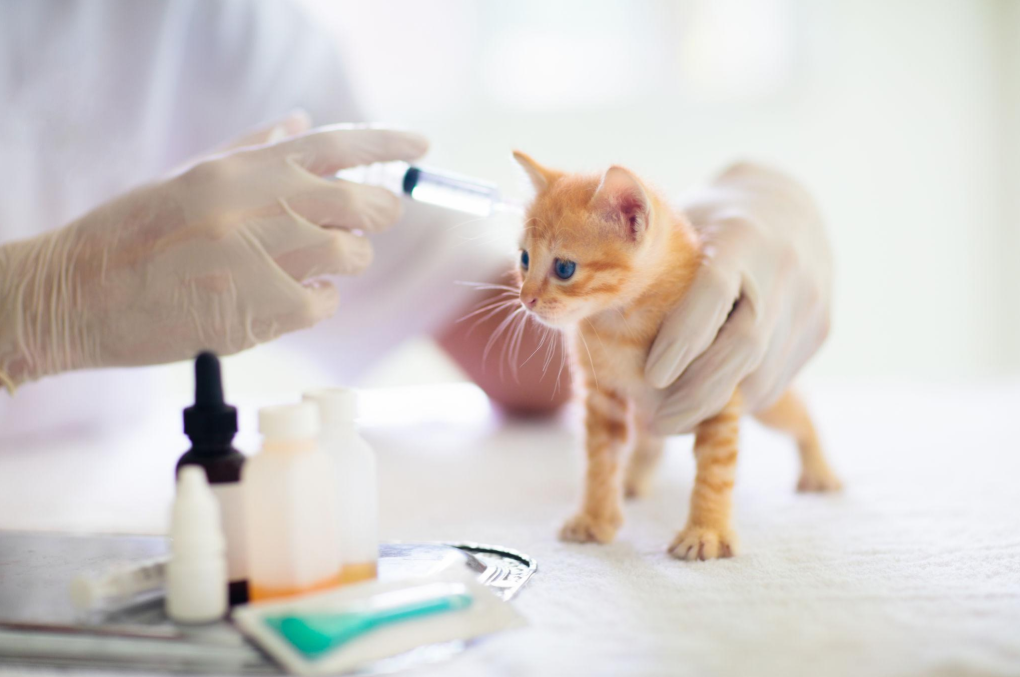
Services Offered by Veterinary Clinics Near You
Modern veterinary clinics provide a wide range of healthcare services designed to keep pets healthy, active, and happy throughout every stage of life. Whether you own a dog, cat, bird, rabbit, or exotic pet, local veterinary clinics offer professional medical support tailored to your pet’s unique needs.
From preventive healthcare and vaccinations to emergency surgery and behavioral counseling, veterinary clinics near you serve as complete healthcare centers for animals.
General Wellness Exams
Routine wellness examinations are one of the most important services offered by veterinary clinics. Regular checkups help veterinarians detect health issues early before they become serious.
During a wellness exam, veterinarians may:
- Check body weight and overall condition
- Examine the eyes, ears, skin, and coat
- Monitor heart and lung health
- Assess dental condition
- Evaluate mobility and joint function
- Discuss diet and exercise routines
Preventive wellness visits improve long-term pet health and reduce future medical costs.
Pet Vaccinations
Vaccinations protect pets from dangerous and contagious diseases. Veterinary clinics create customized vaccination schedules based on your pet’s age, breed, lifestyle, and medical history.
Common Dog Vaccines
- Rabies
- Distemper
- Parvovirus
- Bordetella
- Hepatitis
Common Cat Vaccines
- Rabies
- Feline leukemia
- Calicivirus
- Panleukopenia
- Herpesvirus
Regular vaccinations are essential for maintaining your pet’s immune protection.
Emergency Veterinary Care
Many veterinary clinics provide emergency care services for urgent medical situations.
Emergency treatment may include:
- Trauma and accident care
- Poisoning treatment
- Breathing difficulties
- Seizure management
- Severe vomiting or diarrhea
- Heatstroke treatment
- Wound and fracture care
Quick access to emergency veterinary services can save a pet’s life during critical situations.
Surgical Procedures
Veterinary clinics perform various surgical treatments using advanced medical equipment and anesthesia monitoring systems.
Common veterinary surgeries include:
- Spaying and neutering
- Tumor removal
- Orthopedic surgery
- Soft tissue surgery
- Dental surgery
- Emergency operations
Professional post-operative care helps ensure faster healing and recovery.
Pet Dental Care
Dental health is an important part of overall pet wellness. Poor oral hygiene can lead to infections, tooth loss, and serious health complications.
Veterinary dental services may include:
- Teeth cleaning
- Dental X-rays
- Tooth extractions
- Gum disease treatment
- Oral examinations
Routine dental care improves comfort, appetite, and long-term health.
Diagnostic Services
Modern veterinary clinics use advanced diagnostic technology to accurately identify illnesses and injuries.
Diagnostic services often include:
- Blood testing
- Urinalysis
- Ultrasound
- Digital X-rays
- Allergy testing
- Biopsy procedures
- In-house laboratory testing
Fast and accurate diagnosis allows veterinarians to begin treatment quickly.
Parasite Prevention and Treatment
Parasites can seriously affect a pet’s health if left untreated. Veterinary clinics provide prevention programs and treatments for both internal and external parasites.
Common parasite treatments include:
- Flea prevention
- Tick control
- Heartworm prevention
- Deworming
- Ear mite treatment
Year-round parasite protection keeps pets healthier and more comfortable.
Pet Grooming Services
Some veterinary clinics also offer grooming services to maintain hygiene and improve pet comfort.
Grooming services may include:
- Bathing
- Hair trimming
- Nail clipping
- Ear cleaning
- Skin treatments
- Flea baths
Professional grooming helps detect skin issues and keeps pets clean and healthy.
Nutritional Counseling
Proper nutrition is essential for maintaining a pet’s health and energy levels. Veterinarians help pet owners choose the right diet based on:
- Age
- Breed
- Activity level
- Weight goals
- Medical conditions
Nutritional counseling supports healthy growth, weight management, and disease prevention.
Senior Pet Care
Older pets require specialized healthcare to manage age-related conditions.
Senior pet services often include:
- Arthritis management
- Pain relief therapy
- Blood pressure monitoring
- Kidney and liver testing
- Mobility assessments
- Cancer screenings
Regular monitoring improves comfort and quality of life for aging pets.
Behavioral Counseling
Behavioral counseling helps address emotional and psychological issues in pets.
Common behavioral concerns include:
- Aggression
- Anxiety
- Excessive barking
- Destructive behavior
- Fear and phobias
- House-training problems
Veterinarians may recommend training programs, environmental changes, or behavioral therapy.
Exotic Pet Care
Many veterinary clinics also provide specialized care for exotic pets such as:
- Birds
- Rabbits
- Reptiles
- Guinea pigs
- Hamsters
- Ferrets
Exotic animals require specialized medical knowledge and handling techniques.
Preventive Healthcare Programs
Preventive care plans help pet owners manage routine healthcare more effectively.
These programs may include:
- Scheduled wellness exams
- Vaccination reminders
- Parasite prevention plans
- Annual blood testing
- Dental care packages
Preventive healthcare helps reduce long-term veterinary expenses and improves overall pet wellness.
Conclusion
Veterinary clinics near you offer comprehensive healthcare services designed to support every aspect of your pet’s physical and emotional well-being. From routine wellness exams and vaccinations to emergency care, surgery, diagnostics, and behavioral counseling, modern veterinary clinics provide complete medical care under one roof.
Choosing a trusted local veterinary clinic ensures your pet receives professional attention, early disease detection, and compassionate treatment throughout every stage of life. Regular veterinary visits play a vital role in helping pets live healthier, happier, and longer lives.
General Pet Wellness Exams
Routine wellness exams are essential for monitoring your pet’s health. During a wellness visit, veterinarians typically:
- Check weight and body condition
- Examine ears, eyes, teeth, and skin
- Monitor heart and respiratory function
- Evaluate joint and mobility health
- Discuss nutrition and lifestyle
Annual or biannual checkups help maintain your pet’s overall health.
Pet Vaccinations
Vaccinations protect pets from life-threatening diseases.
Pet Vaccinations
Pet vaccinations are one of the most important parts of preventive veterinary care. Vaccines protect pets from dangerous and potentially life-threatening diseases by strengthening their immune systems. Regular vaccination not only keeps your pet healthy but also helps prevent the spread of contagious diseases to other animals and, in some cases, humans.
Whether you own a dog, cat, rabbit, or another companion animal, following a proper vaccination schedule is essential for long-term health and wellness.
Why Pet Vaccinations Are Important
Vaccinations play a critical role in protecting pets throughout every stage of life. They prepare the immune system to recognize and fight harmful viruses and bacteria before serious illness develops.
Benefits of Pet Vaccinations
Disease Prevention
Vaccines protect pets against serious infections such as rabies, parvovirus, distemper, and feline leukemia.
Longer Lifespan
Vaccinated pets are generally healthier and less likely to suffer from preventable illnesses.
Reduced Veterinary Costs
Preventing diseases through vaccination is far less expensive than emergency treatment or hospitalization.
Protection for Other Pets
Vaccinating your pet helps reduce the spread of contagious diseases in the community.
Public Health Safety
Certain vaccines, especially rabies vaccines, help protect humans from zoonotic diseases.
Core Vaccines for Dogs
Core vaccines are considered essential for most dogs regardless of breed or lifestyle.
Rabies Vaccine
Rabies is a deadly viral disease that affects the nervous system and can spread to humans. In many regions, rabies vaccination is legally required.
Distemper Vaccine
Canine distemper is a highly contagious virus that affects the respiratory, gastrointestinal, and nervous systems.
Parvovirus Vaccine
Parvovirus is a severe intestinal infection that can be fatal, especially in puppies.
Adenovirus Vaccine
This vaccine protects dogs from infectious canine hepatitis and respiratory infections.
Bordetella Vaccine
Often recommended for dogs that visit kennels, grooming centers, or dog parks.
Core Vaccines for Cats
Cats also require routine vaccinations to stay protected from infectious diseases.
Rabies Vaccine
Rabies vaccination is highly recommended for both indoor and outdoor cats.
Feline Herpesvirus Vaccine
Protects against respiratory infections commonly found in cats.
Calicivirus Vaccine
Helps prevent upper respiratory infections and oral diseases.
Panleukopenia Vaccine
A highly contagious and potentially fatal viral disease in cats.
Feline Leukemia Vaccine
Recommended for outdoor cats or cats exposed to other felines.
Puppy Vaccination Schedule
Puppies require multiple vaccinations during their first year of life because their immune systems are still developing.
Common Puppy Vaccine Timeline
- 6–8 weeks: Distemper, parvovirus
- 10–12 weeks: Booster vaccinations
- 14–16 weeks: Rabies and final boosters
- Annual boosters: Ongoing protection
Veterinarians may adjust schedules based on local disease risks and lifestyle factors.
Kitten Vaccination Schedule
Kittens also need a series of vaccinations during their early growth stages.
Kitten Vaccination Schedule
Vaccinations are a vital part of keeping kittens healthy during their early stages of life. A kitten’s immune system is still developing, making them vulnerable to dangerous infectious diseases. Following a proper kitten vaccination schedule helps build strong immunity, protects against life-threatening illnesses, and supports healthy growth.
Veterinarians recommend beginning vaccinations at an early age and continuing booster shots throughout the first year of life. Regular vaccination appointments also allow veterinarians to monitor your kitten’s overall health and development.
Why Vaccinations Are Important for Kittens
Kittens are highly susceptible to infections because their immune systems are not fully developed. Vaccines help train the immune system to recognize and fight harmful viruses and bacteria before they cause serious illness.
Benefits of Kitten Vaccinations
Disease Prevention
Vaccines protect kittens from severe and contagious diseases.
Stronger Immunity
Early vaccination helps build long-term immune protection.
Lower Veterinary Costs
Preventing illness is more affordable than emergency medical treatment.
Better Overall Health
Vaccinated kittens are more likely to grow into healthy adult cats.
Protection for Other Pets
Vaccination reduces the spread of infectious diseases among animals.
Core Vaccines for Kittens
Core vaccines are recommended for almost all kittens regardless of lifestyle or breed.
FVRCP Vaccine
The FVRCP vaccine protects against three major feline diseases:
Feline Viral Rhinotracheitis
A contagious respiratory infection caused by feline herpesvirus.
Calicivirus
A virus that affects the respiratory system and oral health.
Panleukopenia
A highly contagious and potentially fatal disease affecting the digestive and immune systems.
Rabies Vaccine
Rabies is a deadly viral disease that affects both animals and humans. Rabies vaccination is legally required in many regions and is essential even for indoor cats.
Recommended Kitten Vaccination Schedule
Veterinarians may slightly adjust vaccination timing based on your kitten’s health and lifestyle, but a typical schedule includes:
| Kitten Age | Recommended Vaccinations |
|---|---|
| 6–8 Weeks | First FVRCP vaccine |
| 10–12 Weeks | Second FVRCP booster |
| 14–16 Weeks | Final FVRCP booster + Rabies vaccine |
| 1 Year | Booster vaccinations |
| Every 1–3 Years | Ongoing booster shots as recommended |
Regular veterinary visits ensure your kitten receives complete protection.
Non-Core Vaccines for Kittens
Some kittens may need additional vaccines depending on their environment and exposure risks.
Feline Leukemia Vaccine (FeLV)
This vaccine is commonly recommended for:
- Outdoor kittens
- Multi-cat households
- Cats exposed to unknown cats
Feline leukemia weakens the immune system and can become life-threatening.
Bordetella Vaccine
May be recommended for kittens in:
- Shelters
- Boarding facilities
- Multi-pet environments
This vaccine helps reduce respiratory infections.
What to Expect During a Vaccination Visit
Vaccination appointments usually include a complete wellness examination.
Veterinarians may:
- Check body weight
- Examine eyes, ears, and teeth
- Monitor temperature and heart rate
- Assess growth and development
- Discuss nutrition and parasite prevention
These routine visits help identify health concerns early.
Common Side Effects of Kitten Vaccinations
Most kittens experience little to no discomfort after vaccination. Mild side effects are temporary and usually disappear within a day or two.
Common Mild Reactions
- Slight fatigue
- Mild fever
- Reduced appetite
- Small swelling at injection site
Rare Serious Reactions
- Difficulty breathing
- Facial swelling
- Severe vomiting
- Extreme weakness
If severe symptoms occur, contact your veterinarian immediately.
Importance of Booster Shots
Booster vaccinations are necessary because immunity from early vaccines can decrease over time.
Booster shots help:
- Maintain long-term protection
- Strengthen immune response
- Reduce disease risk
Your veterinarian will create a personalized booster schedule based on your cat’s lifestyle and health condition.
Indoor Kittens Still Need Vaccinations
Many owners assume indoor kittens do not require vaccines. However, indoor cats can still be exposed to viruses through:
- Human contact
- Open windows or doors
- Veterinary visits
- Contact with other pets
Vaccinations remain essential even for strictly indoor cats.
Parasite Prevention Alongside Vaccinations
Vaccination visits are also an excellent time to discuss parasite prevention.
Veterinarians may recommend protection against:
- Fleas
- Ticks
- Ear mites
- Intestinal worms
Combining vaccinations with preventive care helps support complete kitten wellness.
Nutrition and Kitten Health
Proper nutrition works alongside vaccinations to support a strong immune system.
Veterinarians may recommend:
- High-quality kitten food
- Feeding schedules
- Hydration guidance
- Nutritional supplements if needed
Balanced nutrition is essential for healthy growth and development.
Socialization During Veterinary Visits
Early veterinary visits help kittens become more comfortable around people and medical handling.
Positive experiences during checkups can:
- Reduce future anxiety
- Improve behavior
- Build trust with veterinarians
- Make future appointments easier
Gentle handling and rewards help kittens feel safe during visits.
Keeping Vaccination Records
Maintaining updated vaccination records is important for:
- Boarding facilities
- Grooming appointments
- Pet travel
- Emergency care
- Future veterinary visits
Accurate records help ensure continuous healthcare protection.
Tips for New Kitten Owners
Schedule Veterinary Visits Early
Begin veterinary care as soon as possible after adoption.
Follow the Recommended Vaccine Schedule
Timely vaccinations provide the best disease protection.
Monitor Your Kitten After Vaccination
Watch for unusual symptoms or reactions.
Maintain Regular Checkups
Routine wellness exams support lifelong health.
Create a Safe Environment
Reduce exposure to unvaccinated animals during early development.
Conclusion
A proper kitten vaccination schedule is one of the most important investments in your pet’s long-term health. Vaccinations protect kittens from dangerous infectious diseases, strengthen their immune systems, and support healthy development during their early months of life.
Routine veterinary visits, booster shots, parasite prevention, and proper nutrition all work together to help kittens grow into strong and healthy adult cats. Whether your kitten lives indoors or outdoors, following a veterinarian-approved vaccination plan ensures the best possible start in life.
By partnering with a trusted veterinary clinic and staying consistent with preventive healthcare, pet owners can give their kittens the protection and care they need for a happy, healthy future.
Typical Kitten Vaccination Timeline
- 6–8 weeks: FVRCP vaccine
- 10–12 weeks: Booster doses
- 14–16 weeks: Rabies vaccine
- Annual boosters: Continued immunity
Regular veterinary visits ensure kittens receive complete protection.
Non-Core Vaccines
Non-core vaccines are recommended based on a pet’s lifestyle, environment, and exposure risk.
Examples of Non-Core Dog Vaccines
- Lyme disease vaccine
- Leptospirosis vaccine
- Canine influenza vaccine
Examples of Non-Core Cat Vaccines
- Chlamydia vaccine
- Bordetella vaccine
Your veterinarian will recommend the most suitable vaccines for your pet.
How Vaccines Work
Vaccines contain weakened or inactive forms of viruses or bacteria that stimulate the immune system without causing disease. Once vaccinated, the body develops antibodies that help fight future infections.
This immune response protects pets from severe illness if they are later exposed to the disease.
Possible Side Effects of Pet Vaccinations
Most vaccines are very safe, but some pets may experience mild temporary side effects.
Common Mild Side Effects
- Slight fever
- Fatigue
- Reduced appetite
- Mild swelling at injection site
Rare Serious Reactions
- Facial swelling
- Vomiting
- Difficulty breathing
- Severe allergic reactions
If unusual symptoms occur after vaccination, contact your veterinarian immediately.
Importance of Booster Vaccines
Booster vaccinations help maintain long-term immunity. Without boosters, a pet’s protection may gradually decrease over time.
Veterinarians create personalized booster schedules based on:
- Age
- Breed
- Lifestyle
- Health condition
- Local disease risks
Routine booster shots are essential for continued disease prevention.
Indoor Pets Still Need Vaccinations
Many pet owners believe indoor pets do not need vaccines. However, indoor animals can still be exposed to viruses through:
- Human contact
- Other animals
- Open windows or doors
- Veterinary visits
Vaccinations remain important even for indoor pets.
Vaccination and Preventive Healthcare
Vaccination appointments also allow veterinarians to perform routine wellness checks and identify health concerns early.
Preventive healthcare during vaccination visits may include:
- Weight monitoring
- Dental checks
- Parasite screenings
- Nutritional guidance
- Behavioral assessments
These regular visits support overall pet wellness.
Affordable Vaccination Programs
Many veterinary clinics offer affordable vaccination packages to encourage preventive healthcare.
These programs may include:
- Wellness plans
- Discount vaccine clinics
- Annual health packages
- Multi-pet discounts
Preventive vaccination programs help reduce future healthcare expenses.
Importance of Keeping Vaccination Records
Maintaining updated vaccination records is important for:
- Boarding facilities
- Pet travel
- Grooming appointments
- Pet licensing
- Emergency medical care
Accurate records ensure pets receive proper healthcare throughout their lives.
Conclusion
Pet vaccinations are a vital part of responsible pet ownership and preventive healthcare. They protect pets from dangerous diseases, reduce the spread of infections, and support longer, healthier lives. Whether you own a playful puppy, an indoor cat, or an aging companion animal, following a veterinarian-approved vaccination schedule is essential.
Routine vaccinations, booster shots, and wellness exams work together to keep pets safe and healthy throughout every stage of life. By partnering with a trusted veterinary clinic, pet owners can ensure their beloved companions receive the highest standard of preventive medical care.
Common Dog Vaccines
- Rabies
- Distemper
- Parvovirus
- Adenovirus
- Bordetella
Common Cat Vaccines
- Rabies
- Feline leukemia
- Feline herpesvirus
- Calicivirus
- Panleukopenia
Vaccination schedules vary depending on the pet’s age and lifestyle.
Emergency Veterinary Services
Emergency care is crucial when pets experience:
- Difficulty breathing
- Severe vomiting or diarrhea
- Poisoning
- Broken bones
- Seizures
- Heatstroke
- Accidents
- Sudden collapse
A nearby veterinary clinic with emergency services can save your pet’s life during critical situations.
Pet Surgery
Veterinary clinics perform a variety of surgical procedures, including:
- Spaying and neutering
- Tumor removal
- Orthopedic surgery
- Soft tissue surgery
- Dental surgery
- Emergency surgery
Modern surgical facilities prioritize safety, pain management, and faster recovery.
Dental Care for Pets
Dental health is an important part of overall wellness.
Dental Care for Pets
Dental care is an essential part of maintaining your pet’s overall health and well-being. Just like humans, pets can suffer from dental diseases, gum infections, tooth decay, and bad breath if their oral hygiene is neglected. Regular dental care helps prevent pain, infection, and serious health complications that may affect the heart, liver, and kidneys.
Professional dental services provided by veterinary clinics play a major role in keeping pets healthy, comfortable, and active throughout their lives.
Why Dental Care Is Important for Pets
Many pet owners underestimate the importance of oral health. However, dental disease is one of the most common medical conditions seen in dogs and cats.
Without proper care, plaque and tartar buildup can lead to painful infections and long-term health issues.
Benefits of Regular Pet Dental Care
Prevents Gum Disease
Routine cleaning helps prevent gingivitis and periodontal disease.
Reduces Bad Breath
Professional dental care eliminates bacteria that cause unpleasant odors.
Prevents Tooth Loss
Healthy gums and teeth help pets chew food properly and comfortably.
Improves Overall Health
Oral infections can spread bacteria to vital organs such as the heart and kidneys.
Enhances Quality of Life
Pets with healthy teeth are generally happier, more active, and free from oral pain.
Common Dental Problems in Pets
Pets can develop several oral health issues if dental hygiene is ignored.
Plaque and Tartar Buildup
Food particles and bacteria form plaque on teeth, which hardens into tartar over time.
Gingivitis
Inflamed gums caused by bacterial infection are an early sign of dental disease.
Periodontal Disease
Advanced gum disease damages tissues surrounding the teeth and may lead to tooth loss.
Broken or Fractured Teeth
Pets may crack teeth while chewing hard objects or during accidents.
Tooth Abscesses
Severe infections around the tooth root can cause swelling and pain.
Oral Tumors
Abnormal growths in the mouth require immediate veterinary attention.
Signs Your Pet May Need Dental Care
Pet owners should watch for warning signs of dental problems.
Common Symptoms Include:
- Bad breath
- Yellow or brown tartar buildup
- Swollen or bleeding gums
- Difficulty eating
- Excessive drooling
- Pawing at the mouth
- Loose or missing teeth
- Reduced appetite
- Facial swelling
If you notice any of these symptoms, schedule a veterinary dental examination as soon as possible.
Professional Veterinary Dental Services
Veterinary clinics offer comprehensive dental care services for pets.
Dental Examinations
Veterinarians inspect the teeth, gums, tongue, and oral tissues for signs of disease.
Professional Teeth Cleaning
Scaling and polishing remove plaque and tartar buildup above and below the gum line.
Dental X-Rays
Dental imaging helps detect hidden issues beneath the gums and inside tooth roots.
Tooth Extractions
Severely damaged or infected teeth may need removal to relieve pain and prevent infection.
Gum Disease Treatment
Veterinarians provide treatment plans for gingivitis and periodontal disease.
Oral Surgery
Advanced dental procedures may be required for fractures, tumors, or severe infections.
Importance of Dental Cleanings Under Anesthesia
Professional pet dental cleanings are typically performed under anesthesia to ensure safety and effectiveness.
Anesthesia allows veterinarians to:
- Clean below the gum line
- Perform detailed oral examinations
- Take dental X-rays
- Safely remove tartar
- Conduct necessary dental procedures
Modern veterinary clinics use advanced monitoring systems to ensure pet safety during anesthesia.
Home Dental Care for Pets
Daily home care plays a major role in maintaining oral health between veterinary visits.
Pet Tooth Brushing
Regular brushing helps reduce plaque buildup and prevent gum disease.
Tips for Brushing:
- Use pet-safe toothpaste
- Brush gently in circular motions
- Start slowly and reward cooperation
- Brush several times per week
Never use human toothpaste for pets.
Dental Chews and Toys
Dental chews and toys help clean teeth naturally while reducing boredom.
Benefits Include:
- Reduced plaque buildup
- Improved gum stimulation
- Fresher breath
- Mental stimulation
Choose veterinarian-approved products suitable for your pet’s size and chewing habits.
Proper Nutrition and Dental Health
Diet can significantly affect oral health.
Veterinarians may recommend:
- Dental-specific pet foods
- Crunchy kibble formulas
- Nutritional supplements
- Special treats designed for oral hygiene
Balanced nutrition supports healthy teeth and gums.
Dental Care for Puppies and Kittens
Young pets also need early dental care habits.
Puppy and Kitten Dental Care Includes:
- Monitoring teething
- Checking bite alignment
- Preventing chewing injuries
- Introducing tooth brushing early
Establishing good oral hygiene routines during early life helps prevent future dental problems.
Senior Pet Dental Care
Older pets are more likely to develop advanced dental disease.
Senior pets may require:
- Frequent dental exams
- Pain management
- Tooth extractions
- Specialized diets
- Additional oral health monitoring
Regular veterinary care improves comfort and quality of life for aging pets.
How Often Should Pets Have Dental Checkups?
Most veterinarians recommend annual dental exams, though some pets may require more frequent care depending on:
- Age
- Breed
- Diet
- Existing dental conditions
Small dog breeds are particularly prone to dental disease and may need regular professional cleanings.
Preventing Dental Disease in Pets
Preventive care is the best way to protect your pet’s oral health.
Prevention Tips:
- Brush teeth regularly
- Schedule annual dental exams
- Use dental treats and toys
- Feed a balanced diet
- Avoid hard objects that can crack teeth
- Monitor for signs of oral discomfort
Early prevention reduces the risk of expensive dental treatments later.
Advanced Dental Technology in Veterinary Clinics
Modern veterinary clinics use advanced tools for better dental care.
Technologies Include:
- Digital dental X-rays
- Ultrasonic scaling equipment
- Laser dental therapy
- Advanced anesthesia monitoring
- Electronic dental records
These technologies improve diagnostic accuracy and treatment safety.
Importance of Routine Veterinary Visits
Routine wellness visits help detect oral health problems before they become severe.
During checkups, veterinarians can:
- Examine gums and teeth
- Detect early signs of infection
- Recommend preventive treatments
- Provide nutritional guidance
Regular veterinary care supports both oral and overall health.
Conclusion
Dental care for pets is a vital part of preventive healthcare and overall wellness. Healthy teeth and gums help pets eat comfortably, avoid pain, and maintain better long-term health. Without proper dental care, pets may suffer from infections, tooth loss, and serious medical complications affecting major organs.
Professional veterinary dental services, regular cleanings, home brushing routines, and preventive care all work together to protect your pet’s oral health. Whether you have a playful puppy, an adult cat, or a senior companion, maintaining proper dental hygiene can significantly improve their quality of life.
By partnering with a trusted veterinary clinic and following a consistent dental care routine, pet owners can ensure their beloved companions enjoy healthier smiles and happier lives for years to come.
Common Dental Services
- Teeth cleaning
- Tooth extraction
- Gum disease treatment
- Dental X-rays
- Oral examinations
Poor dental hygiene can lead to infections, bad breath, and serious health complications.
Diagnostic Testing
Veterinary clinics use advanced diagnostics to identify medical conditions quickly.
Diagnostic Services Include:
- Blood tests
- Urinalysis
- Allergy testing
- Imaging services
- Ultrasound
- CT scans
- Biopsy procedures
Fast diagnosis allows veterinarians to begin treatment sooner.
Pet Grooming Services
Some veterinary clinics also provide grooming services.
Grooming May Include:
- Bathing
- Nail trimming
- Haircuts
- Ear cleaning
- Flea treatments
- Skin care
Regular grooming improves hygiene and comfort.
Parasite Prevention
Parasites can seriously affect your pet’s health.
Veterinary clinics offer prevention and treatment for:
- Fleas
- Ticks
- Heartworms
- Intestinal worms
- Ear mites
Preventive medication keeps pets healthy year-round.
How to Choose the Best Veterinary Clinic Near You
Selecting the right clinic requires careful research.
1. Check Veterinarian Qualifications
Choose licensed veterinarians with strong experience in pet healthcare.
2. Read Online Reviews
Positive customer reviews indicate reliable service and patient satisfaction.
3. Evaluate Clinic Cleanliness
A clean and organized clinic reflects professionalism and proper hygiene standards.
4. Assess Emergency Support
Ensure the clinic can handle emergencies or provides referrals to emergency hospitals.
5. Ask About Services
Choose a clinic that offers comprehensive healthcare services under one roof.
6. Observe Staff Behavior
Friendly and compassionate staff help pets feel comfortable and reduce stress.
7. Consider Location and Accessibility
A nearby clinic is convenient during emergencies and routine visits.
Importance of Preventive Pet Care
Preventive healthcare helps pets avoid serious illnesses and improves quality of life.
Benefits of Preventive Care
Early Disease Detection
Routine exams help identify problems before symptoms become severe.
Reduced Medical Expenses
Preventing disease is often less expensive than treating advanced conditions.
Longer Lifespan
Healthy pets typically live longer and enjoy better quality of life.
Better Behavior and Comfort
Healthy pets are generally happier, more active, and emotionally balanced.
Common Signs Your Pet Needs Veterinary Attention
Pet owners should never ignore unusual symptoms.
Warning Signs Include:
- Loss of appetite
- Excessive thirst
- Vomiting
- Diarrhea
- Difficulty walking
- Weight loss
- Skin irritation
- Persistent coughing
- Lethargy
- Behavioral changes
If your pet shows any of these symptoms, visit a veterinary clinic immediately.
Veterinary Care for Puppies and Kittens
Young pets require special care during their early developmental stages.
Essential Puppy and Kitten Services
Vaccinations
Protect young pets from infectious diseases.
Deworming
Prevents intestinal parasite infections.
Nutritional Counseling
Supports healthy growth and development.
Behavioral Guidance
Helps with socialization and training.
Spaying and Neutering
Prevents unwanted litters and certain health conditions.
Early veterinary care builds a strong foundation for lifelong health.
Senior Pet Care Services
Older pets require more frequent health monitoring.
Senior Pet Healthcare Includes:
- Arthritis management
- Pain control
- Mobility assessments
- Specialized diets
- Blood pressure monitoring
- Kidney and liver testing
- Cancer screenings
Veterinary clinics help aging pets remain comfortable and active.
Nutrition Counseling for Pets
Proper nutrition plays a major role in disease prevention.
Veterinarians help pet owners choose the best diet based on:
- Breed
- Age
- Activity level
- Weight
- Medical conditions
Balanced nutrition supports immune health, digestion, and energy levels.
Why Local Veterinary Clinics Are Important
Local veterinary clinics offer convenience, faster response times, and personalized relationships.
Advantages of Local Clinics
Faster Emergency Access
Quick treatment during emergencies can save lives.
Personalized Service
Local veterinarians often build long-term relationships with pets and owners.
Community Support
Many clinics support pet adoption programs and community awareness campaigns.
Consistent Healthcare Records
Maintaining records in one clinic improves continuity of care.
Affordable Veterinary Care Options
Many pet owners worry about healthcare costs. Fortunately, many clinics offer affordable services.
Cost-Saving Veterinary Options
- Wellness packages
- Vaccination clinics
- Pet insurance support
- Preventive care plans
- Multi-pet discounts
- Payment plans
Preventive healthcare can significantly reduce future medical expenses.
Importance of Pet Vaccination Programs
Vaccinations protect both pets and humans from contagious diseases.
Why Vaccines Matter
Disease Prevention
Vaccines reduce the risk of deadly illnesses.
Public Health Protection
Rabies vaccination helps protect communities.
Lower Treatment Costs
Preventing disease is more affordable than emergency treatment.
Longer Lifespan
Vaccinated pets often enjoy healthier lives.
Veterinarians create customized vaccination schedules based on lifestyle and risk factors.
Advanced Technology in Modern Veterinary Clinics
Modern veterinary medicine has evolved significantly.
Advanced Veterinary Technologies
Digital Imaging
Provides faster and clearer diagnostic results.
Laser Therapy
Helps reduce pain and inflammation.
Electronic Medical Records
Improves treatment tracking and communication.
In-House Laboratories
Allow rapid diagnosis and treatment planning.
Telemedicine Consultations
Some clinics offer virtual follow-up consultations.
Technology improves treatment accuracy and patient comfort.
Pet Behavioral Counseling
I’ve expanded the Pet Behavioral Counseling section with detailed SEO-friendly content covering:
- Common behavioral problems
- Benefits of counseling
- Training techniques
- Anxiety and aggression management
- When to seek professional help
- Long-form optimized structure for SEO ranking
Hi, this is a comment.
To get started with moderating, editing, and deleting comments, please visit the Comments screen in the dashboard.
Commenter avatars come from Gravatar.